
Real advice. Every stage.

The Crib

Practical baby care guides for UK parents. Explore teething, sleep, weaning and developmental milestones, with clear explanations and links to trusted sources to help you through the early years.
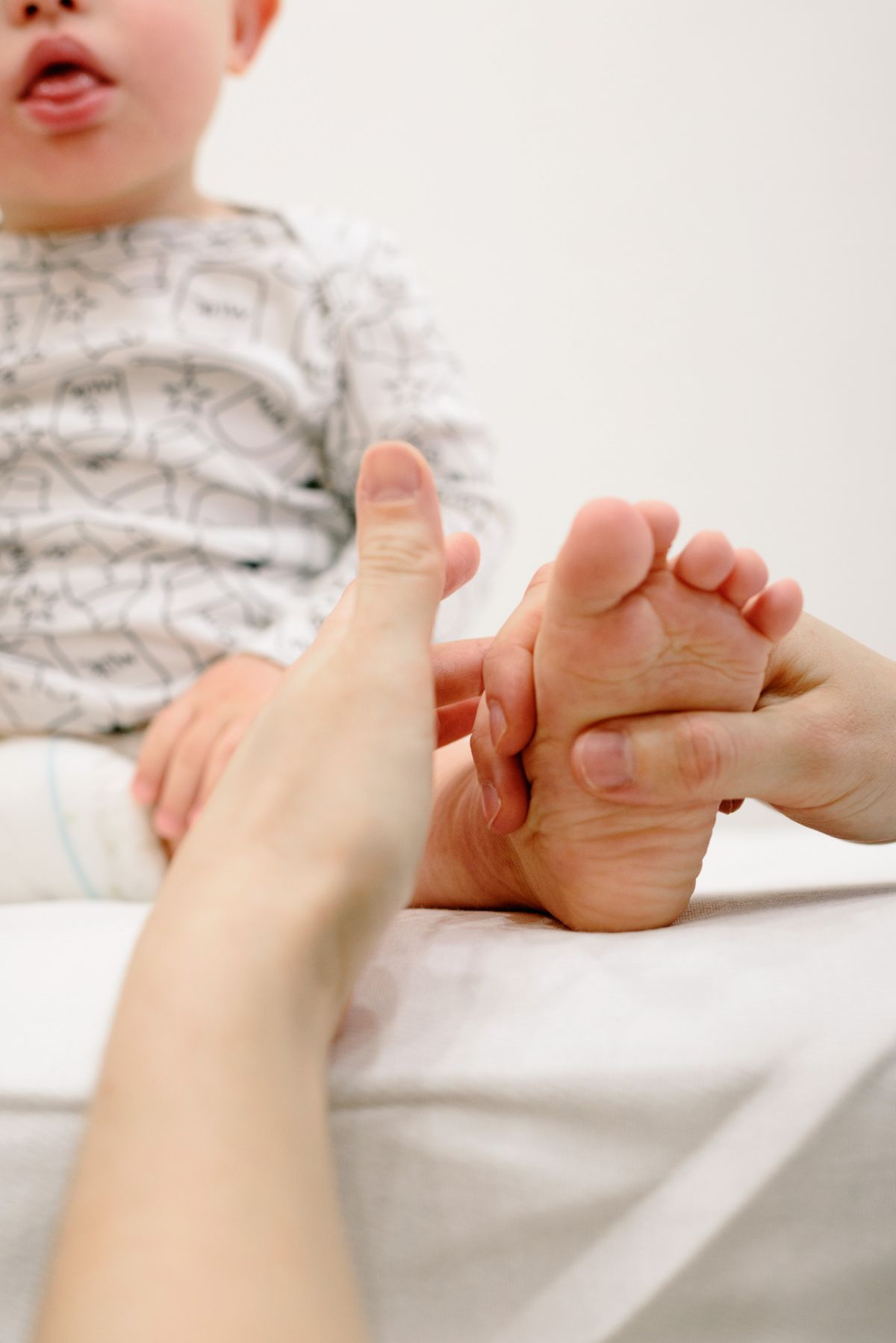
Gentle care for newborn baby delicate skin
  • by Infatot

Newborn Skin Care: A Simple Guide for UK Parents
Newborn skin is delicate, sensitive, and needs minimal intervention. Here's what the latest NHS guidance says about caring for your newborn's skin in the first weeks and months.

Read moreabout Newborn Skin Care: A Simple Guide for UK Parents

A smiling baby shows their first two bottom teeth in a bright room
  • by Infatot

Your Baby's First Teeth: What to Expect and How to Care for Them

When babies get their first teeth, the signs of teething, how to soothe sore gums and when to start brushing and see an NHS dentist.

Read moreabout Your Baby's First Teeth: What to Expect and How to Care for Them

A father holds his sleeping newborn, wrapped snugly in a thin grey patterned muslin
  • by Infatot

How to Swaddle a Baby: A Step-by-Step Guide for UK Parents
Swaddling can soothe a fussy newborn and help them sleep longer. Here's the correct technique, when to stop, and the safety rules every UK parent needs to know.

Read moreabout How to Swaddle a Baby: A Step-by-Step Guide for UK Parents

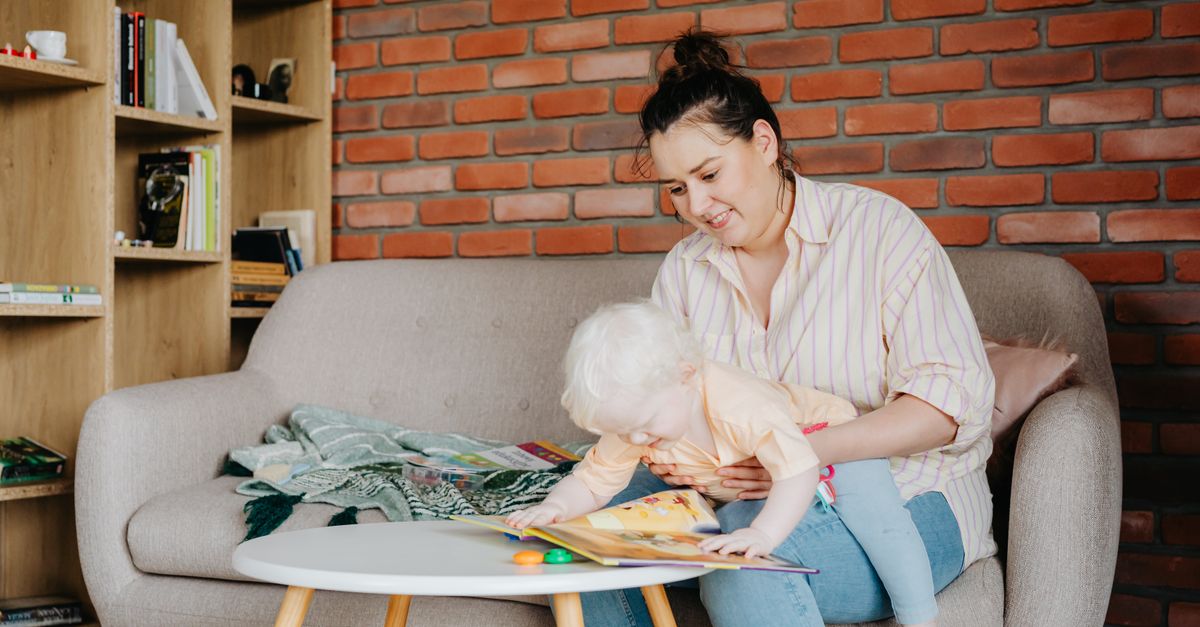
A mother lovingly reads to her baby on a comfortable sofa, surrounded by bookshelves in a cozy living room.
  • by Infatot

Reading to Your Baby: When to Start and How to Make It Fun
When to start reading to your baby, what to expect at each stage in the first two years, and simple NHS ways to make story time enjoyable.

Read moreabout Reading to Your Baby: When to Start and How to Make It Fun

A mother lovingly holds her baby in a serene home interior, exuding warmth and care.
  • by Infatot

Nursery Germs: Why Babies Get Ill So Often in Their First Term
Children have 5 to 8 colds a year and most clear in 2 weeks. NHS-backed timelines, nursery exclusion rules and when to call 111 or 999.

Read moreabout Nursery Germs: Why Babies Get Ill So Often in Their First Term

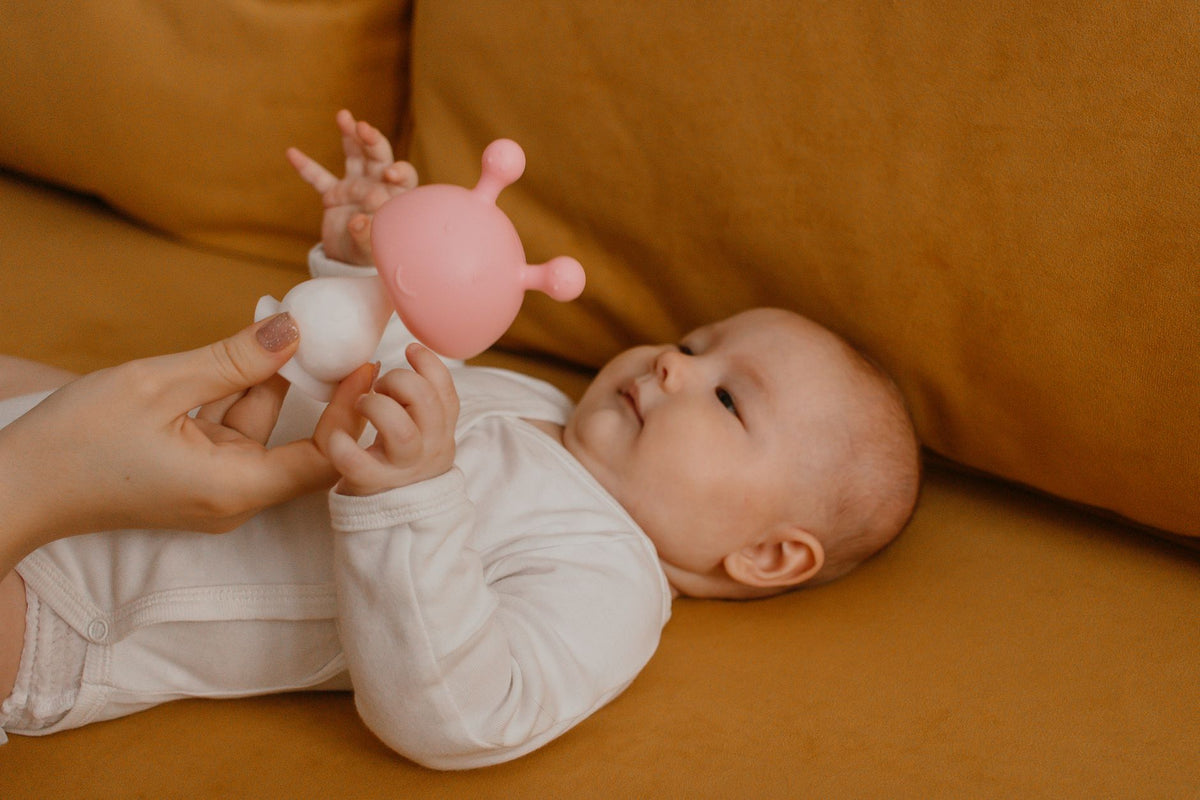
A parent offers a soft silicone teether to a smiling baby lying on their back
  • by Infatot

When Do Babies Start Teething? A Month-by-Month Timeline

Most babies start teething around 6 months. The usual teething timeline, the order teeth appear, the signs to watch for and what helps.

Read moreabout When Do Babies Start Teething? A Month-by-Month Timeline

A mother cuddles her crying baby upright against her shoulder to comfort them
  • by Infatot

How to Soothe a Teething Baby at Night
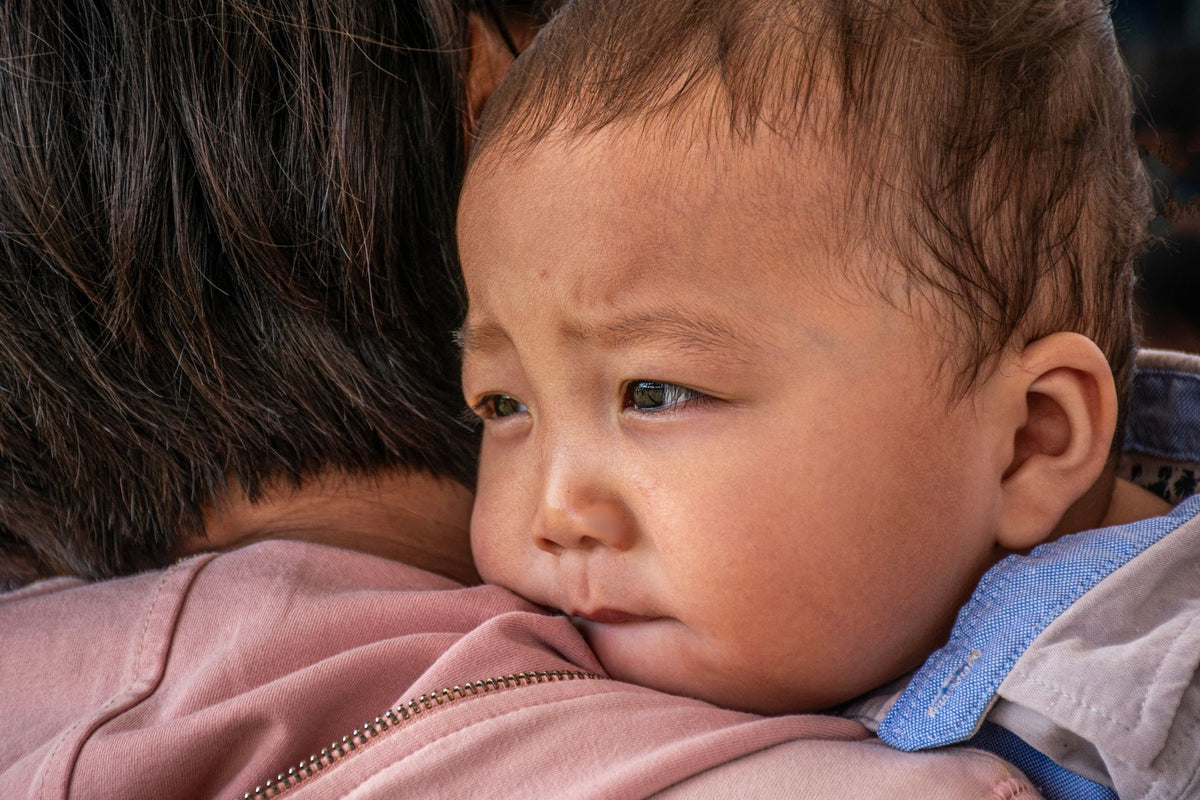
Teething keeping your baby up? Calm, safe ways to soothe a teething baby at night: cool teethers, gum massage and a steady bedtime routine.

Read moreabout How to Soothe a Teething Baby at Night

An unsettled baby rests upright on a parent's shoulder, looking tired and teary
  • by Infatot

Bronchiolitis and RSV in Babies: What UK Parents Should Know This Autumn

RSV bronchiolitis symptoms in babies, the NHS red flags for calling 111 or 999, home care, and how the pregnancy RSV vaccine protects newborns.

Read moreabout Bronchiolitis and RSV in Babies: What UK Parents Should Know This Autumn

A newborn baby breastfeeds, resting a tiny hand against their cheek
  • by Infatot

Breastfeeding Tips for New Mums: A Practical UK Guide
Breastfeeding is natural, but that doesn't mean it's always easy. Here are practical, evidence-based tips to help you get started and keep going with confidence.

Read moreabout Breastfeeding Tips for New Mums: A Practical UK Guide

Father comforting and bonding with baby
  • by Infatot

Separation Anxiety in Babies: What's Normal and How to Help

Separation anxiety is a normal and healthy part of your baby's development. Here's when it starts, why it happens, and practical strategies to make separations easier for everyone.

Read moreabout Separation Anxiety in Babies: What's Normal and How to Help

Parent gently comforting and holding newborn baby
  • by Infatot

Baby Reflux and Silent Reflux: Signs, Causes and How to Help

Reflux is common in babies and usually resolves by 12 months. Here's how to tell if your baby has reflux or silent reflux, what causes it, and the steps that help.

Read moreabout Baby Reflux and Silent Reflux: Signs, Causes and How to Help

A parent cradles a sleeping newborn swaddled in a soft spotted blanket
  • by Infatot

Neonatal Jaundice: What UK Parents Need to Know

Neonatal jaundice affects 6 in 10 UK newborns. What it looks like, the types, phototherapy, feeding and when to seek urgent help.

Read moreabout Neonatal Jaundice: What UK Parents Need to Know

A father reads a picture book to his baby, cuddled safely in his lap
  • by Infatot

How to Establish a Baby Routine That Actually Works

A predictable daily routine can improve your baby's sleep, reduce crying, and make life feel more manageable.

Read moreabout How to Establish a Baby Routine That Actually Works

A parent gently massages the legs of a baby lying on a pink blanket
  • by Infatot

Baby Eczema: Causes, Symptoms and Gentle Care Tips for UK Parents

Eczema affects around 1 in 5 children in the UK. If your baby has dry, itchy, or inflamed skin, here's what causes it and how to manage it gently and effectively.

Read moreabout Baby Eczema: Causes, Symptoms and Gentle Care Tips for UK Parents

Baby crawling on floor
  • by Infatot

When Do Babies Start Crawling? A Month-by-Month Guide for UK Parents

Most babies start crawling between 7 and 10 months, but there's a wide range of normal. This guide covers types of crawling, how to encourage it, and when to speak to your health visitor.

Read moreabout When Do Babies Start Crawling? A Month-by-Month Guide for UK Parents