

Quick answer: Newborn skin needs very little: use plain water only for at least the first month, with no soap or bath products, and avoid lotions, oils and emollients in the first month unless a healthcare professional advises otherwise. Bath your baby 2–3 times a week and top and tail in between. Peeling, milia and baby acne are normal and clear on their own.
Newborn skin may look perfect, but it's going through a huge transition in the first weeks of life. Before birth, your baby was surrounded by amniotic fluid; now they're exposed to air, clothing, and temperature changes. Understanding what's normal — and what your newborn's skin actually needs — can save you a lot of worry and unnecessary product purchases.
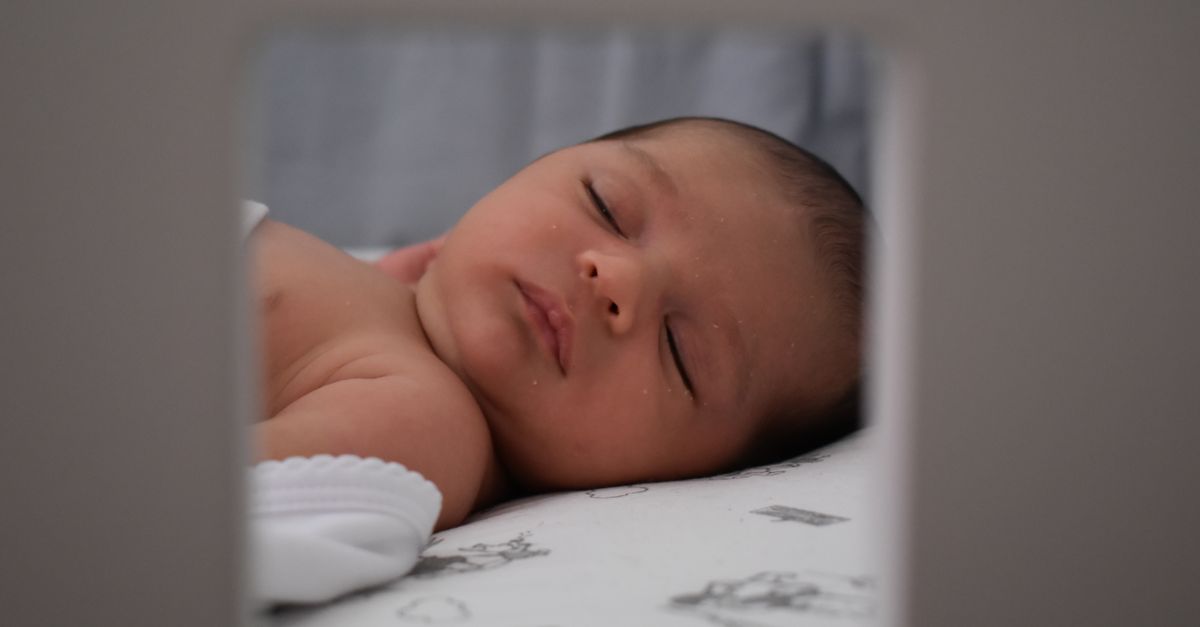
You may notice several things on your newborn's skin that look unusual but are normal:
The NHS explains that over the first month, or longer for premature babies, your baby's skin matures and develops its own natural protective barrier. The key points:
Your baby doesn't need a bath every day. 2–3 times a week is plenty. The rest of the time, "topping and tailing" (cleaning the face, neck folds, hands, and nappy area with plain warm water) is sufficient.
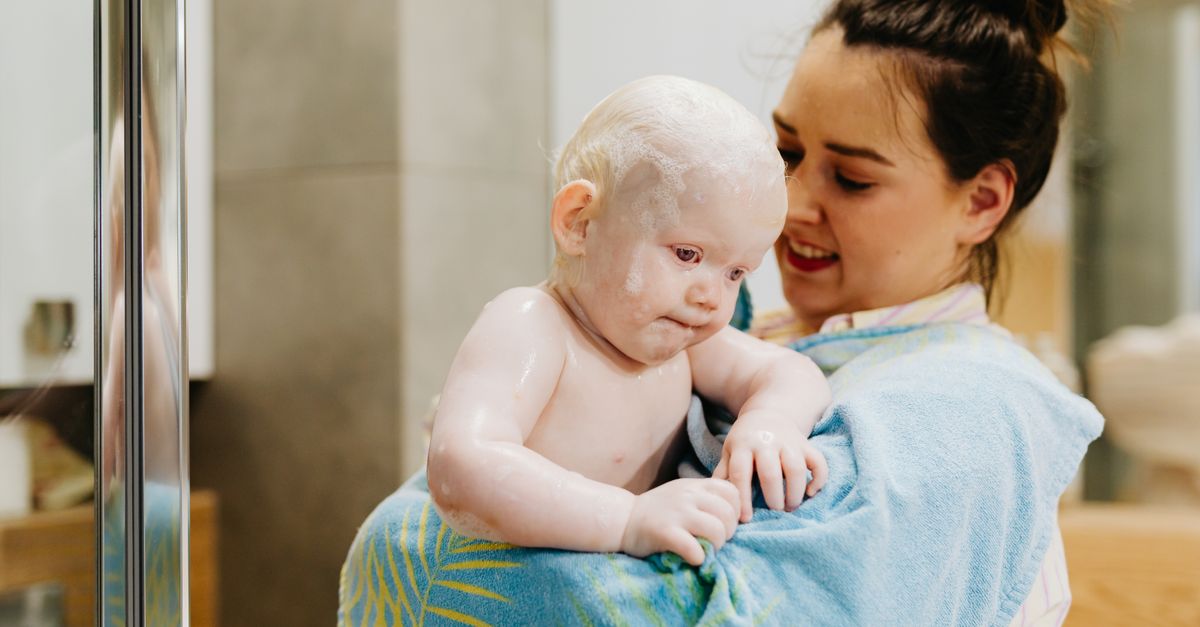
When you do give a full bath:
Change nappies frequently, at every feed in the early weeks. At each change:
Once past the newborn stage (4–6 weeks+), if you want to use products, choose those that are:
Infatot’s range includes teething, feeding and sensory-play products. Check each item’s material details and care instructions; for advice about a skin concern, speak to your health visitor, pharmacist or GP.
Call 999 or go to A&E if your baby:
Ask for an urgent GP appointment or call NHS 111 if your baby:
Call 999 or go to A&E if your baby has jaundice and is less than 24 hours old, is sleepier than normal or difficult to wake, is not feeding, is floppy or stiff, has a temperature of 38°C or more or 36°C or less, has not had any wet nappies, or has difficulty breathing.
See your GP or health visitor if your baby's skin is excessively dry, inflamed or itchy (possible eczema).
Two to three times a week is plenty. In between, topping and tailing (cleaning the face, neck folds, hands and nappy area with plain warm water) is enough. Keep early baths short, around five minutes.
No. These were previously recommended but have now been found to potentially damage the skin barrier in some newborns. Avoid all skin products, including lotions, oils and emollients, in the first month unless advised by a healthcare professional.
Yes. Almost all newborn skin peels in the first one to two weeks. It's normal and doesn't require treatment.
Call 999 or go to A&E if your baby has a rash that does not fade when you press a glass against it, their skin, lips or tongue look pale, blue, grey or blotchy, they are having difficulty breathing, or they have a temperature of 38°C or higher and are under 3 months old, or 39°C or higher and are 3 to 6 months old. Ask for an urgent GP appointment or call NHS 111 if a rash is getting worse or the skin around it looks red, swollen or feels hot, their skin is blistered, they have a rash with a high temperature, or they look yellow (jaundice) and are over 24 hours old. See your GP or health visitor if the skin is excessively dry, inflamed or itchy.
General information, not individual medical advice. Speak to your GP, midwife or health visitor about your baby’s needs.
Baby eczema and dry skin when the heating goes on
Read moreabout Baby eczema and dry skin when the heating goes on
How to dress your baby for cold-weather pram walks
Read moreabout How to dress your baby for cold-weather pram walks
The clocks go back on 25 October: how to shift your baby's sleep
Read moreabout The clocks go back on 25 October: how to shift your baby's sleep

Share:
Your Baby's First Teeth: What to Expect and How to Care for Them
The clocks go back on 25 October: how to shift your baby's sleep