

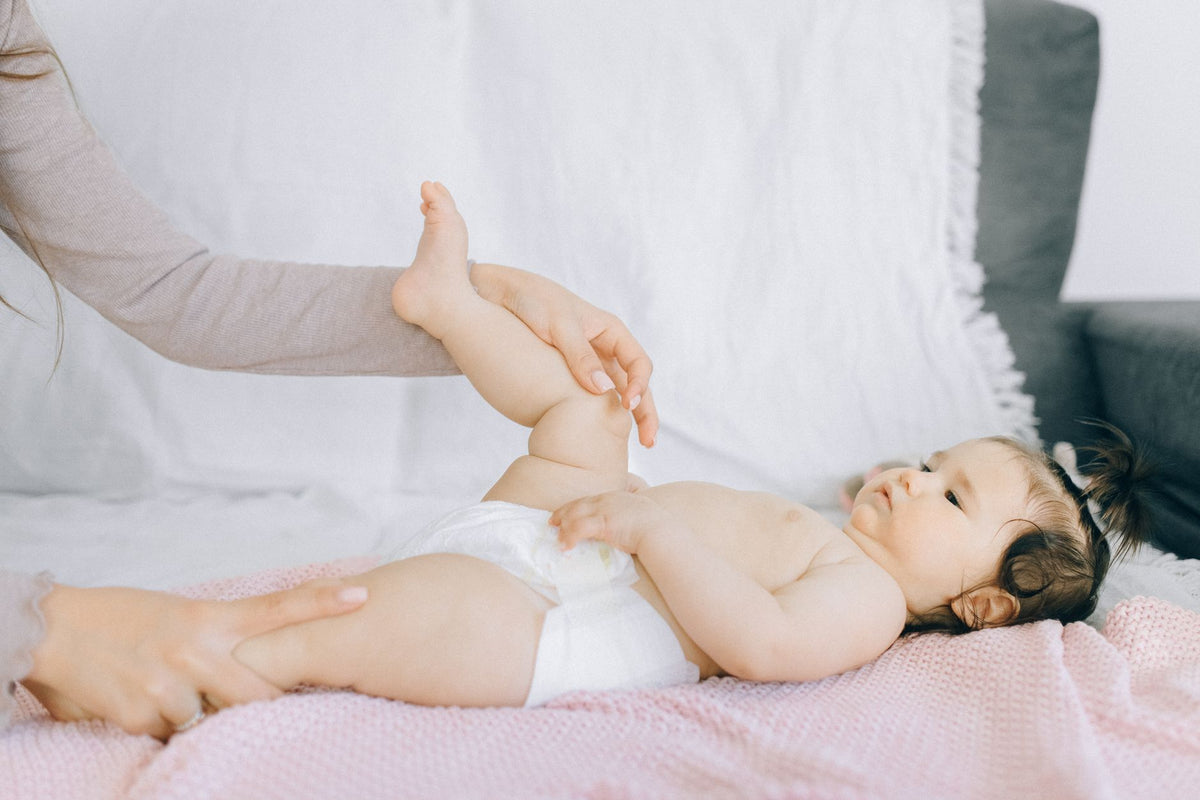
Quick answer: Baby eczema is a chronic skin condition causing dry, itchy, inflamed patches, linked to genetics, a disrupted skin barrier and immune response rather than anything you've done wrong. Manage it by applying thick, fragrance-free emollients at least twice a day, using soap-free bath products, keeping nails short and dressing your baby in cotton. See your GP if emollients aren't controlling it. If it looks infected, get an urgent GP appointment or call NHS 111.
Eczema is common in babies and young children: around 1 in 5 children in the UK are affected at some point. For many, it improves significantly by school age. But in the meantime, managing the symptoms and protecting your baby's skin takes patience, consistency, and the right products.
Eczema (also called atopic dermatitis) is a chronic skin condition that causes patches of skin to become dry, itchy, inflamed, and sometimes cracked or weeping. In babies, it most commonly appears on the face, scalp, and outer parts of the arms and legs. It often improves over time but can flare up in response to triggers.
Eczema isn't caused by poor hygiene or anything you've done wrong. It's primarily linked to:
Regular emollient (moisturiser) application is the foundation of eczema management. Thick, fragrance-free emollients like Hydromol, Cetraben, or Doublebase are available on prescription and over the counter. Apply generously at least twice a day — more during flares. After bathing, pat (don't rub) the skin dry and apply emollient within a few minutes while the skin is still slightly damp.
Use fragrance-free, soap-free cleansers or emollient-based bath products. Avoid bubble baths and conventional shampoos. Warm (not hot) water and short baths (around 10 minutes) are best.
For washing, use an emollient as a soap substitute rather than ordinary baby bath products, including those described as 'natural' or 'for sensitive skin', which may contain fragrance and other ingredients that can irritate the skin. Infatot doesn't make skincare products, so ask a pharmacist, health visitor or GP which emollient suits your baby.
Babies can't help scratching, and scratching breaks the skin, increases the risk of infection, and makes the itch-scratch cycle worse. Keep nails trimmed and consider soft scratch mitts at night.
100% cotton next to the skin is ideal. Avoid wool and synthetic fabrics that can irritate. Wash new clothing before use with a fragrance-free, non-biological washing powder.
If emollients alone aren't controlling the eczema, your GP may prescribe a mild topical steroid cream for flares. Used correctly, these are safe and effective. Don't be afraid of them — but always follow the guidance about how often and for how long to use them.
Ask for an urgent GP appointment or call NHS 111 if your baby has eczema and:
These can be signs that the eczema is infected, or of a more serious condition called eczema herpeticum. Your baby may need treatment such as antibiotics.
See your GP if:
Apply a thick, fragrance-free emollient generously at least twice a day, and more often during flares. After bathing, pat the skin dry and apply emollient within a few minutes while it's still slightly damp.
Eczema is common in babies and young children, and for many it improves significantly by school age. It often improves over time, though it can still flare up in response to triggers.
If emollients alone aren't controlling the eczema, your GP may prescribe a mild topical steroid cream for flares. Used correctly these are safe and effective, but always follow the guidance on how often and how long to use them.
Certain foods can be a trigger, but food allergies are a less common trigger than many parents believe. Always seek medical advice before eliminating foods, and see your GP if you suspect a food allergy is involved.
General information, not individual medical advice. Speak to your GP, midwife or health visitor about your baby’s needs.
Blocked nose in babies: how to help them feed and sleep
Read moreabout Blocked nose in babies: how to help them feed and sleep
Baby eczema and dry skin when the heating goes on
Read moreabout Baby eczema and dry skin when the heating goes on
Flu and RSV vaccines in pregnancy: when to have each one this autumn
Read moreabout Flu and RSV vaccines in pregnancy: when to have each one this autumn
Share:
When Do Babies Start Crawling? A Month-by-Month Guide for UK Parents
How to Establish a Baby Routine That Actually Works