

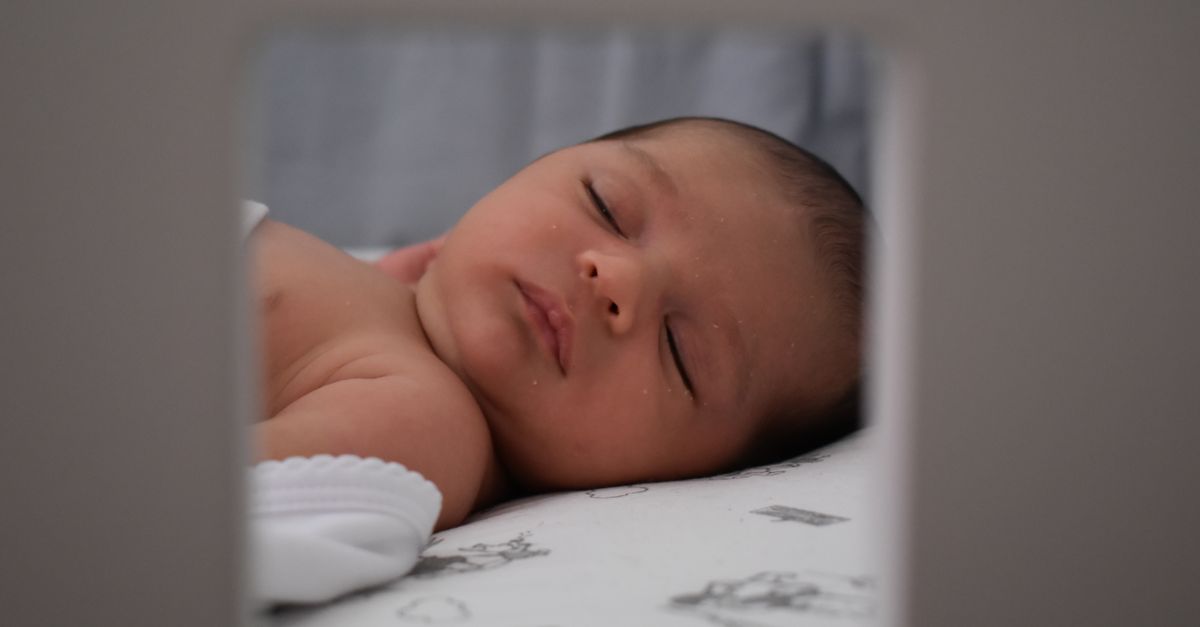
Quick answer: Move your baby's bedtime 10 to 15 minutes later every few nights in the week before Sunday 25 October, or switch straight to the new clock that morning.
At 2am on Sunday 25 October the clocks go back to 1am, and the UK returns to Greenwich Mean Time, according to gov.uk. Your baby's body won't know that. If they usually wake at 6am, they're likely to wake at 5am by the new clock, and a 7pm bedtime will feel like 8pm to them.
The NCT explains that a baby's body clock isn't fully established until 12 months old or later. Younger babies sleep most easily when they're tired and relaxed, so daylight, activity and a steady routine all help.
The Sleep Charity suggests moving bedtime 10 to 15 minutes later every few nights in the week before the change, so your child's internal clock adapts slowly. If you'd rather make a small move every day, the example below is our own worked schedule using daily 15-minute steps starting on Wednesday 21 October. With daily 10-minute steps, start on Monday 19 October.
This example is for a baby who usually goes to bed at 7pm. The Sleep Charity's advice covers bedtime only. Moving naps and the morning wake-up by roughly the same amount is our own suggestion, not part of that advice, and it keeps the rest of the day in step with the new bedtime. Treat nap times as a rough guide, because the NCT notes that babies' sleep patterns change often in the first year.
| Day | Bedtime by the clock | Naps (rough guide) |
|---|---|---|
| Wed 21 Oct | 7.15pm | About 15 minutes later |
| Thu 22 Oct | 7.30pm | About 30 minutes later |
| Fri 23 Oct | 7.45pm | About 45 minutes later |
| Sat 24 Oct | 8pm | About 1 hour later |
| Sun 25 Oct (clocks back) | 7pm new time | Usual times, new clock |
If a gradual shift doesn't fit your week, move everything to the new clock on Sunday morning. Expect an early start on the first day or two, as your baby will probably wake at their old time. From then on, keep bedtime at its usual clock time and aim for naps around their usual times.
The Sleep Charity advises sticking to your usual bedtime routine even though the clock has changed, and getting up at the same time each day. A late afternoon nap can make bedtime harder, the NCT notes, so if your baby is flagging before the new bedtime, keep that nap short and not too close to bed.
In its advice on the spring clock change, The Sleep Charity says most people adjust within a few days, though some people, particularly children, can take several days to fully adjust. It also notes that children with good sleep routines tend to cope better because they know what to expect at the end of the day.
You can support the new timing by putting your baby to bed and waking them at the same times each day, getting outside in daylight and dimming the lights before bed. These all help the body clock develop, according to the NCT.
The NHS suggests keeping days and nights different. Open the curtains and play during the day. At night, keep lights low, talk quietly and settle your baby once they've been fed and changed.
After the change, mornings are lighter for a while. The Sleep Charity suggests blackout blinds or dense curtains to keep early light out of the bedroom.
Full darkness is most useful at night and in the early morning. For daytime naps, the NCT says not making the room too dark or too silent keeps day sleep lighter, which builds sleepiness for the night. For at least the first 6 months, the NHS advises that your baby sleeps in the same room as you for naps and at night.
Looped blind cords and chains can strangle young children. RoSPA advises never fitting a blind with a looped cord or chain in a child's bedroom, and suggests a cordless model if you're buying new.
Yes. The Sleep Charity also suggests encouraging a child who wakes at their old time to stay in bed a little longer, around half an hour, and switching off screens at least an hour before bed. The Sleep Charity
The NHS suggests speaking to your health visitor if your baby is having problems sleeping or you'd like help with a routine. The Sleep Charity also runs a helpline on 03303 530 541. NHS, The Sleep Charity
General information, not individual medical advice. Speak to your GP, midwife or health visitor about your baby’s needs.
What temperature should your baby's room be once the heating goes on?
Read moreabout What temperature should your baby's room be once the heating goes on?
How to Swaddle a Baby: A Step-by-Step Guide for UK Parents
Read moreabout How to Swaddle a Baby: A Step-by-Step Guide for UK Parents
How to Soothe a Teething Baby at Night

Share:
Newborn Skin Care: A Simple Guide for UK Parents
How to dress your baby for cold-weather pram walks