

Quick answer: Keep your baby cool by using shade, airflow and lighter layers rather than extra bedding. Keep sleep spaces firm, flat and clear, check their chest, tummy or back of the neck to see if they feel too hot, and never cover a pram with a blanket or muslin. Offer feeds more often, and call NHS 111 if you are worried. Call 999 if your baby is floppy, hard to wake or shows signs of heatstroke.
When the UK has a warm spell, keeping your baby comfortable can feel surprisingly tricky, especially at night. The good news is that a few calm, practical habits can make a real difference. This guide explains how to keep baby cool in hot weather UK parents often face in June and July, with safe sleep, prams, naps and nursery temperatures in mind.
Babies cannot regulate their temperature as easily as adults. They can become too warm more quickly, particularly in stuffy rooms, direct sun, parked cars or prams with poor airflow. This does not mean you need to panic every time the temperature rises. It simply means checking your baby regularly and keeping their environment simple, shaded and well ventilated.
For younger babies, especially newborns, it is sensible to be a little more cautious. If your baby is unwell, was born prematurely or has a medical condition, ask your GP, midwife, health visitor or NHS 111 for advice about hot weather. If they seem drowsy or have fewer wet nappies than usual, call NHS 111 or ask for an urgent GP appointment. If they are floppy, difficult to wake or cannot be woken, call 999.
Warm nights are often the hardest part of summer with a baby. The safest sleep advice remains the same all year round: place your baby on their back, on a firm, flat, clear sleep surface, with no pillows, duvets, cot bumpers, loose blankets or toys. Hot weather is not a reason to use unsafe sleep set-ups or let a baby sleep in a product that is not designed for overnight sleep.
A simple room thermometer can help you understand the actual temperature where your baby sleeps. The NHS advises keeping the room at about 16 to 20°C. UK homes can hold heat, so a nursery may stay warm even after the outside temperature drops. If the room is warm, use lighter clothing and fewer layers rather than adding bedding.
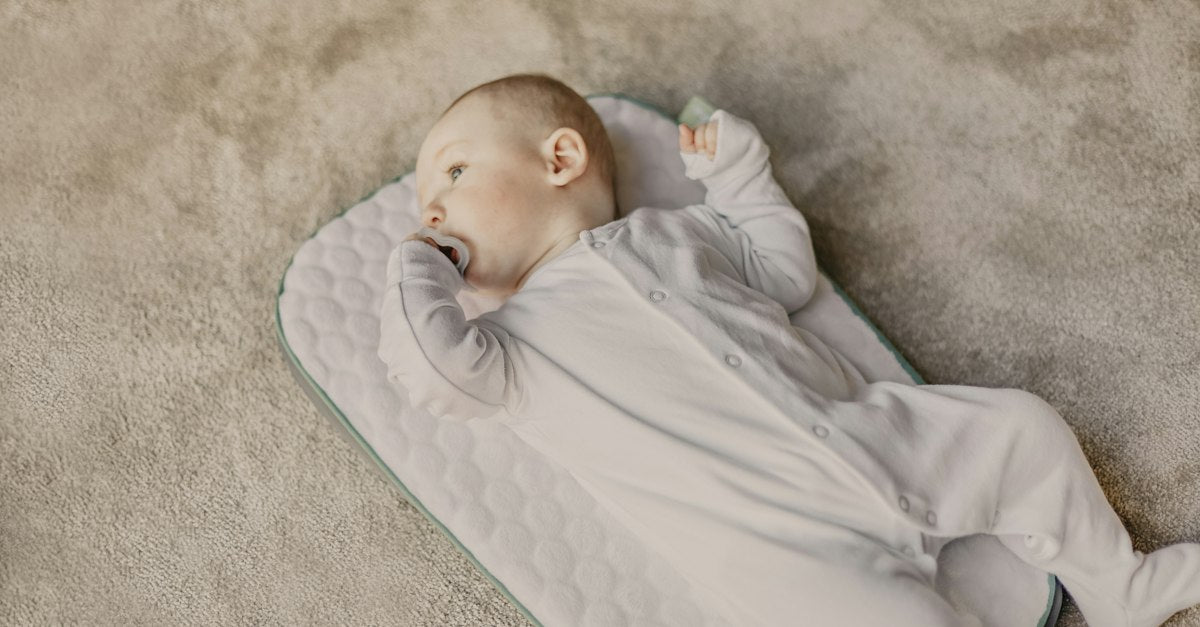
As a general guide, many parents choose a short-sleeved vest, a nappy only, or a very light sleeping bag with an appropriate tog rating during hot weather. Always follow the sleep bag manufacturer’s guidance for room temperature and clothing layers.
Hands and feet can feel cool even when a baby is warm enough, so they're not the best guide. To check whether your baby is too hot, feel their chest, tummy or the back of their neck. If they feel hot, sweaty, flushed or unusually unsettled, remove a layer and cool the room gently.
A fan can help circulate air, but do not point it directly at your baby. Keep cords well away from the cot and place the fan where it cannot be pulled over. If it is cooler outside in the evening, opening windows before bedtime may help, as long as the room remains safe and secure.
Prevention is often easier than trying to cool a very warm room at bedtime. During the hottest part of the day, keep curtains or blinds closed on sunny windows. Open windows when the outside air is cooler, usually early morning or later evening. If one side of the house is cooler, consider moving naps or bedtime to the safest suitable room temporarily.
Avoid placing the cot in direct sunlight or next to a radiator, heater, hot window or electrical appliance that gives off heat. If you use a monitor, white noise machine or night light, make sure it is positioned safely and not adding warmth close to your baby’s sleep space.
Prams can become warm quickly, especially when covered. Never cover a pram with a blanket, muslin or cloth, even a thin one, as this can reduce airflow and trap heat. Use the pram’s own sunshade, a safely attached parasol, or a breathable cover designed specifically for that pram, following the manufacturer’s instructions.
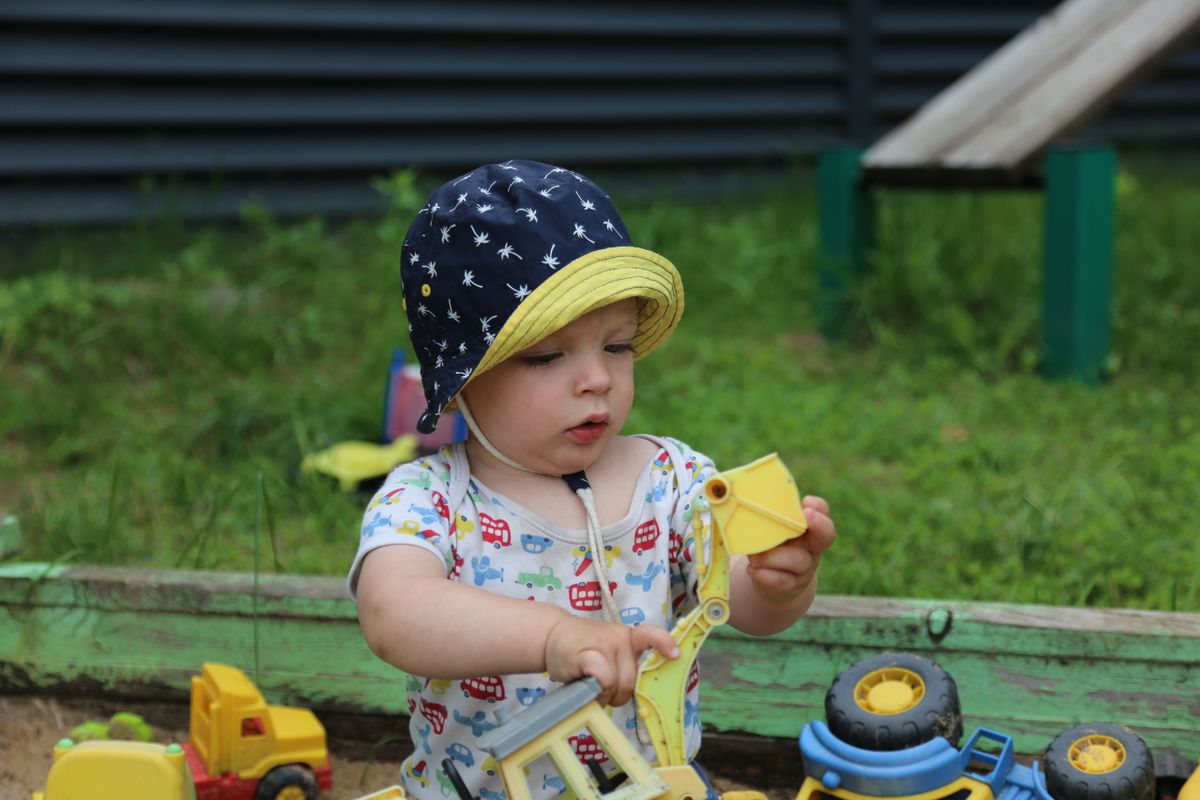
Try to plan walks for cooler parts of the day, such as early morning or late afternoon. Keep your baby in the shade, avoid direct sun, and check them often. Babies under six months should be kept out of direct sunlight. Older babies still need shade, a wide-brimmed hat and suitable clothing, with baby-safe sunscreen used according to guidance.
Car seats are essential for travel, but they are not designed for routine sleep outside the car. Cars can also become dangerously hot very quickly. Never leave a baby alone in a car, even briefly, and allow the car to cool before placing your baby inside. On longer journeys, plan breaks and check your baby’s temperature and comfort regularly.
Young babies may want to feed more often in warm weather. Breastfed babies under six months usually do not need extra water, but they may ask for more frequent feeds. Formula-fed babies may also need more frequent feeds, and formula-fed babies under six months may need small sips of cooled boiled water during hot weather as well as their usual milk feeds. Speak to a health visitor if you're unsure.
Once your baby is around six months and starting solids, small sips of water with meals can be offered. In hot weather, wet nappies are a useful sign. If your baby has fewer wet nappies than usual, seems drowsy, has few or no tears when they cry, is feeding much less than usual, or you are worried, call NHS 111 or ask for an urgent GP appointment. Call 999 if they also have blue, grey, pale or blotchy skin, lips or tongue, skin that feels cold, difficulty breathing or lots of quick breaths, or are sleepier than normal or difficult to wake.
Choose light, loose clothing made from breathable fabrics such as cotton. A single layer is often enough indoors in very warm weather. Outside, think about shade as much as clothing: a sunhat, covered shoulders and avoiding the strongest midday sun are usually more helpful than lots of layers.
For sleep, avoid hats indoors. Babies lose heat through their head, and hats can make them too warm during sleep. If your baby has come in from outside wearing a hat, remove it once indoors or in the car where appropriate.
Daytime naps can be more disrupted during warm weather. Keep the sleep space safe and familiar where possible, but make sensible adjustments: close blinds before the room heats up, use lighter clothing, and keep air circulating. If your baby’s usual room is very hot, a cooler safe sleep space in another room may be better for that day.
It can be tempting to let a baby nap for a long stretch in a pram, sling, bouncer or car seat because they seem settled. In hot weather, be especially mindful of airflow, positioning and supervision. For routine sleep, a firm, flat, clear surface is the safer choice.
Your baby may be too warm if they feel hot on the chest or back, are sweating, have damp hair, flushed skin, faster breathing than usual, or seem unusually unsettled or sleepy. Remove a layer, move them somewhere cooler, offer a feed if appropriate, and monitor closely.
Heatstroke is a medical emergency. Call 999 if your baby or child:
Call NHS 111 or ask for an urgent GP appointment if your baby:
Call NHS 111 if you are worried about any of your baby’s symptoms or do not know what to do. Trust your instincts: if you think something is seriously wrong, get help straight away.
Avoid loose bedding, pillows, duvets, cot bumpers and soft sleep surfaces. Do not place ice packs, frozen bottles or cold water bottles directly in your baby’s cot. Avoid pointing fans directly at your baby, and keep all cords out of reach. Do not rely on a pram cover unless it is designed for safe airflow and used exactly as instructed.
Most importantly, avoid feeling that you have to get everything perfect. Hot weather with a baby is about small, sensible adjustments: shade, airflow, lighter layers, safe sleep and regular checks. With those foundations in place, UK summer days and warmer nights become much easier to manage.
Feel their chest, tummy or the back of their neck rather than hands and feet. Signs include feeling hot, sweating, damp hair, flushed skin, faster breathing than usual, or seeming unusually unsettled or sleepy.
No. Never cover a pram with a blanket, muslin or cloth, even a thin one, as this reduces airflow and traps heat. Use the pram's own sunshade, a safely attached parasol, or a breathable cover designed for that pram.
Breastfed babies under six months usually do not need extra water but may want more frequent feeds. Formula-fed babies under six months may need small sips of cooled boiled water during hot weather as well as their usual milk feeds. From around six months and starting solids, small sips of water with meals can be offered.
Many parents choose a short-sleeved vest, a nappy only, or a very light sleeping bag with an appropriate tog rating. Always follow the sleep bag manufacturer's guidance, and avoid hats indoors during sleep.
General information, not individual medical advice. Speak to your GP, midwife or health visitor about your baby’s needs.
Fireworks and babies: protecting sleep and hearing around Bonfire Night
Read moreabout Fireworks and babies: protecting sleep and hearing around Bonfire Night
What should a baby wear to bed when the house gets colder?
Read moreabout What should a baby wear to bed when the house gets colder?
What temperature should your baby's room be once the heating goes on?
Read moreabout What temperature should your baby's room be once the heating goes on?

Share:
Can Babies Wear Sunscreen? What UK Parents Should Know This Summer
How to Soothe a Crying Baby: Understanding Your Baby's Cues