

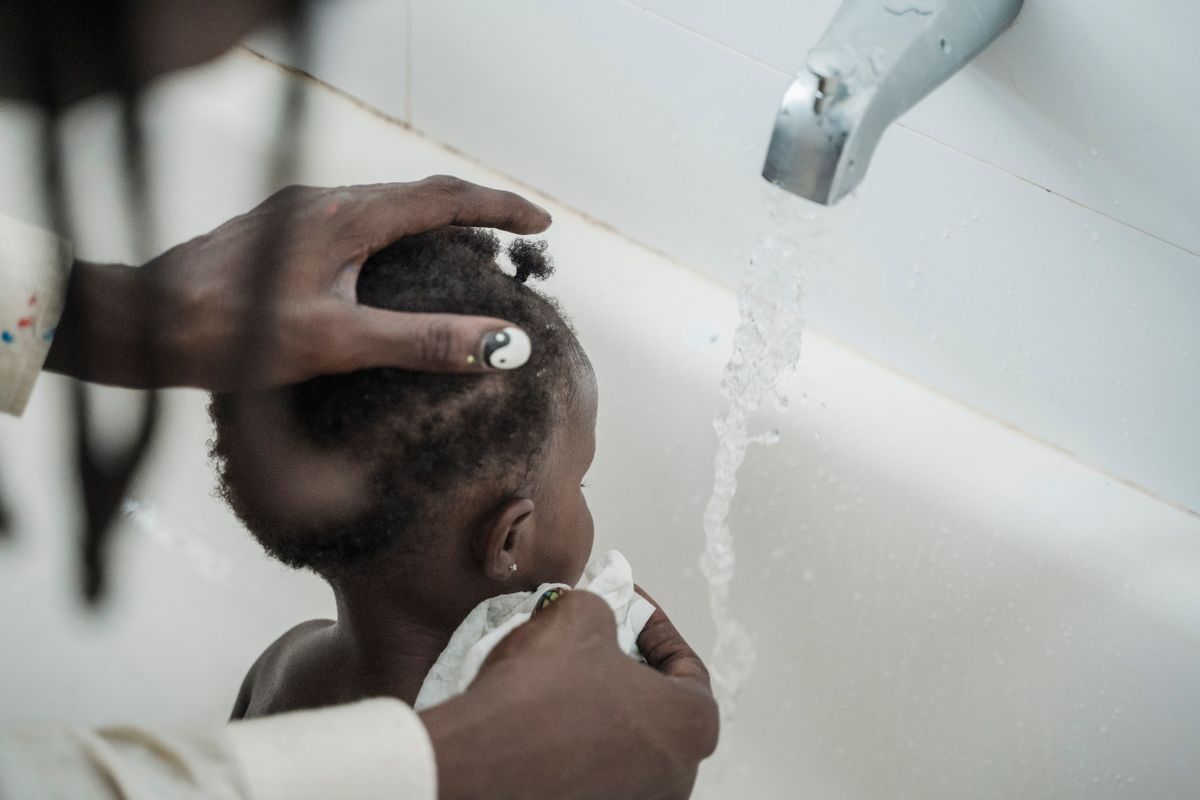
- by Infatot
Separation Anxiety in Babies: What's Normal and How to Help
- by Infatot
Quick answer: Separation anxiety is normal, healthy development, not a behaviour problem. Mild signs can appear from 6–8 months, peaking between 9 and 18 months, with another wave around 2 years. Help by always saying a brief, calm goodbye, keeping routines consistent, practising short separations, offering a comfort object and staying calm yourself.
One day your baby is happily going to grandparents or the nursery key worker with barely a backward glance. Then, seemingly overnight, they cling to you and cry the moment you leave the room. What happened?
Separation anxiety happened, and it's a sign that your baby is developing exactly as they should.
Separation anxiety is the distress a baby or toddler experiences when separated from their primary caregiver (usually a parent). It's rooted in healthy attachment: your baby loves and trusts you, understands you exist when you're gone, and doesn't yet have the emotional regulation to manage your absence calmly.
It's not a behaviour problem. It's not the result of anything you've done wrong. It is, in fact, a sign of a secure, loving attachment relationship.
Mild signs can appear as early as 6–8 months, when object permanence begins to develop. Peak separation anxiety typically occurs between 9 and 18 months, with many toddlers experiencing another wave around 2 years. It usually eases significantly after that as children develop language, trust, and emotional regulation.
The neurological foundation is the development of object permanence (see our separate guide): once your baby knows you still exist when you leave, they can miss you and fear you won't return. At the same time, their emotional regulation is still very immature. They don't yet have the language, experience, or cognitive tools to tell themselves "it's okay, they always come back."
Separation anxiety can intensify during periods of developmental change, illness, sleep disruption, or life transitions like starting nursery or moving house.
It might feel easier to slip away unnoticed, but sneaking out can backfire badly. Your baby may become hypervigilant and anxious because they can't trust that you'll still be there when they look up. A brief, calm, consistent goodbye gives them a reliable signal. "I'm going now. I love you. I'll be back after lunch." Then go, confidently and without prolonged hesitation.
A long, drawn-out goodbye filled with parental anxiety will amplify your baby's distress. A warm, brief, consistent farewell is better for both of you. Returning to console a crying baby repeatedly can make separations harder, not easier.
Predictability is enormously comforting for anxious babies. A consistent drop-off routine at nursery (same person, same sequence, same words) helps your baby anticipate and adjust to separations over time.
Practice separating in safe ways: leaving the room briefly while your baby plays, peekaboo games, leaving them with a known and trusted person for short periods. These experiences gradually build their trust that separation is temporary and safe.
A familiar comfort object — a soft toy or comforter that smells of you — can be genuinely helpful for babies and toddlers managing separations. From around 12 months, many children form a strong attachment to a specific comforter. If your baby is under 12 months, keep soft toys and comforters out of their cot when they sleep, as the NHS advises keeping the cot clear of soft toys and anything that could cover their face and head.
Your baby is exquisitely attuned to your emotional state. If you're anxious and upset about leaving, they will be too. Practice a calm, confident goodbye even when it's hard.
Separation anxiety that is severe, persistent, or significantly impacting family functioning — especially in older toddlers — is worth discussing with your health visitor. Very rarely, it can be a sign of a broader anxiety issue that would benefit from early support.
Mild signs can appear from around 6–8 months, as object permanence develops. It usually peaks between 9 and 18 months, with many toddlers having another wave around 2 years, easing after that.
No. Sneaking out can backfire, leaving your baby hypervigilant and anxious because they can't trust you'll still be there. A brief, calm, consistent goodbye gives them a reliable signal.
No. It isn't a behaviour problem or the result of anything you've done wrong. It's a sign of a secure, loving attachment relationship and healthy development.
If it is severe, persistent, or significantly affecting family functioning — especially in older toddlers — discuss it with your health visitor. Very rarely it can signal a broader anxiety issue needing early support.
General information, not individual medical advice. Speak to your GP, midwife or health visitor about your baby’s needs.
Reading to Your Baby: When to Start and How to Make It Fun
Read moreabout Reading to Your Baby: When to Start and How to Make It Fun
When Do Babies Start Teething? A Month-by-Month Timeline
Read moreabout When Do Babies Start Teething? A Month-by-Month Timeline
When Do Babies Start Crawling? A Month-by-Month Guide for UK Parents
Read moreabout When Do Babies Start Crawling? A Month-by-Month Guide for UK Parents
Share:
Baby Reflux and Silent Reflux: Signs, Causes and How to Help
Breastfeeding Tips for New Mums: A Practical UK Guide