


- by Infatot
Fine motor play for a baby who has just learned to sit
- by Infatot
Quick answer: Once your baby can sit, give them safe things to reach for, grab, bang, push, pull and drop into containers. NCT suggests wooden spoons, balls, building blocks and stacking cups. Stay close while they play, and keep small objects out of reach.
NCT says that between six and nine months many babies learn to sit up unaided and start using their hands more effectively. Sitting up leaves their hands free, so reaching, grasping and dropping take over from lying under a play gym.
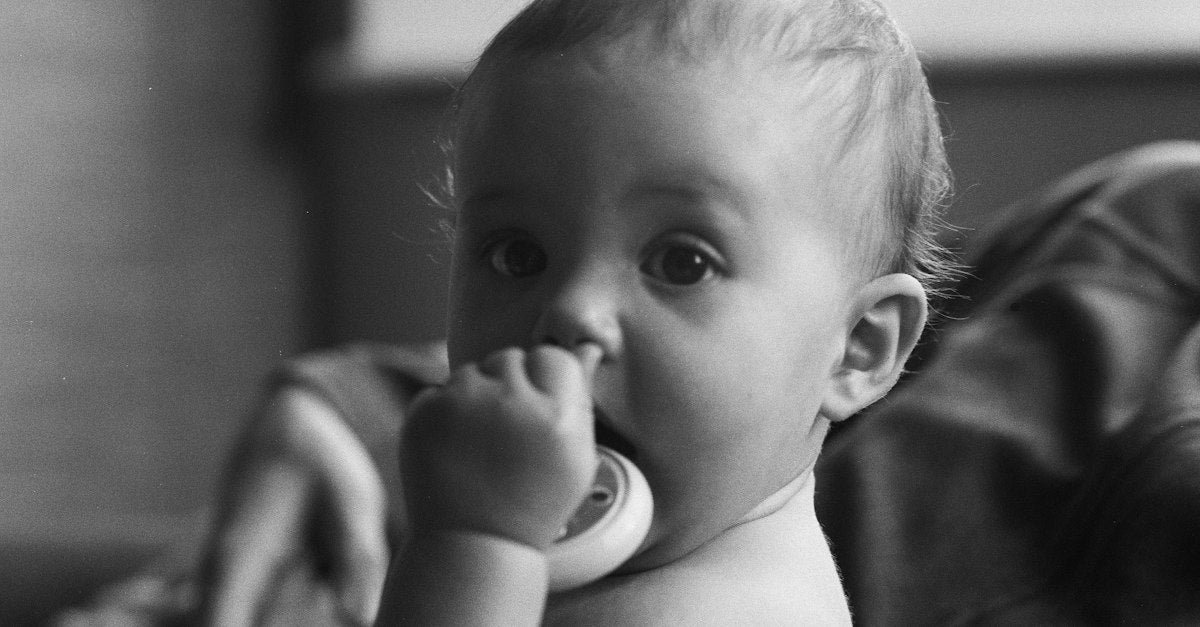
Expect almost everything to go in their mouth. NCT describes this stage as one of reaching, holding, looking, dropping and a great deal of mouthing. That's why the space they play in matters as much as the toys you give them.
Ordinary household objects are enough for all of these. Pick one skill at a time and play alongside your baby.
The NHS suggests encouraging your baby to reach for, push and pull their toys as a simple way to improve their coordination. Put a ball or a wooden spoon on the floor just in front of them, then a little to one side, so they have to stretch and turn to reach it.
For babies who aren't crawling yet, the NHS physical activity guidelines list reaching and grasping, pulling and pushing as everyday ways to keep them active during supervised floor play.
NCT lists shaking rattles or tambourines, banging a wooden spoon on an upturned pan and clapping along to rhymes as favourites between six and nine months.
Take turns clapping your hands and then theirs together. The NHS calls clapping a pretty big milestone once a baby can do it alone, because it takes muscle control, fine motor skills and hand-eye coordination.
Putting things into other things is a good game to start now, NCT says. Try taking objects out of a box, hiding a toy under a sheet of paper or a towel for your baby to find, or building a tower from stackable boxes or plastic cups for them to knock down.
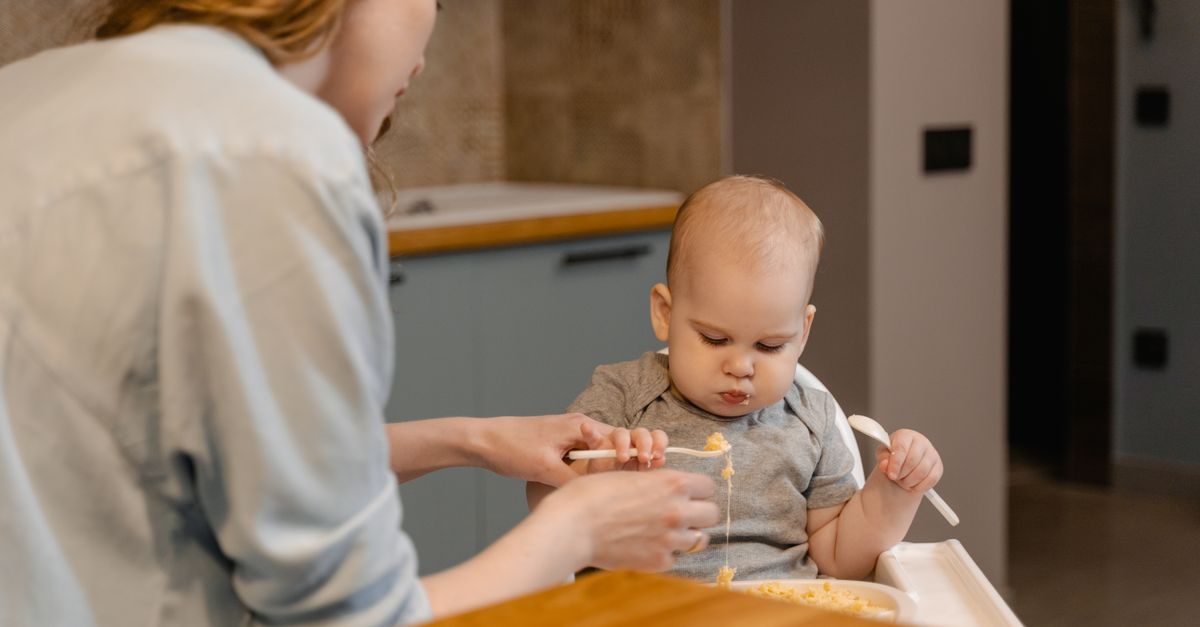
Solids usually start at around six months. NCT notes that if you choose baby-led weaning, you offer finger foods such as cooked carrot, chunks of banana or unsalted breadsticks, and your baby picks them up and feeds themselves.
Think about size, shape and texture when you prepare finger foods. The NHS says babies can choke on small, sticky or slippery foods, and you should stay with your baby the whole time they're eating.

The ages below come from NCT and NHS pages. They're typical ranges, not deadlines.
A baby who grabs everything will also put everything in their mouth. These checks come from the NHS baby and toddler safety advice.
1 of 6
Clear the floor first
Keep buttons, coins, small toy parts and button batteries out of reach. Toys meant for older children may have small parts, and magnetic toys with small pieces can be harmful if swallowed.
2 of 6
Stay with them
The NHS physical activity guidelines describe floor play for babies as supervised. Sit on the floor with your baby rather than leaving them with a pile of toys.
3 of 6
Strap in at the highchair
Use a 5-point harness every time your baby goes into the highchair.
4 of 6
Watch the table edge
Babies grab at brightly coloured objects such as mugs, and a hot drink can still scald 15 minutes after it was made. Put hot drinks well out of reach before you hold your baby or sit them nearby.
5 of 6
No glass, no cords
Don't let your baby hold anything made of glass, and don't leave cords such as dressing gown cords or drawstring bags lying where they play.
6 of 6
Skip the baby walker
NCT notes that safety experts discourage baby walkers because of the high number of accidents linked to them. Floor time lets your baby practise moving.
Swipe or scroll sideways for the next card.
From Infatot
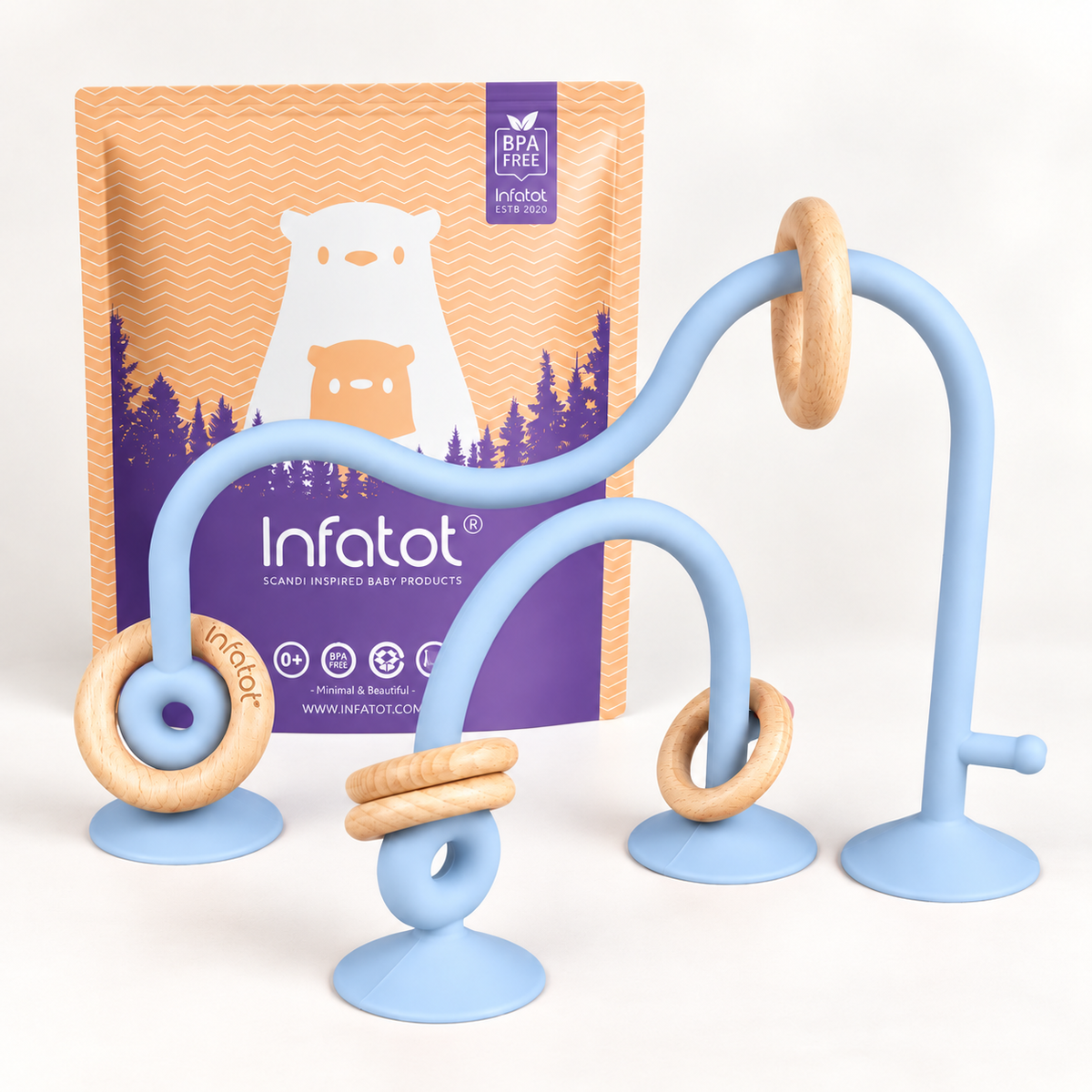
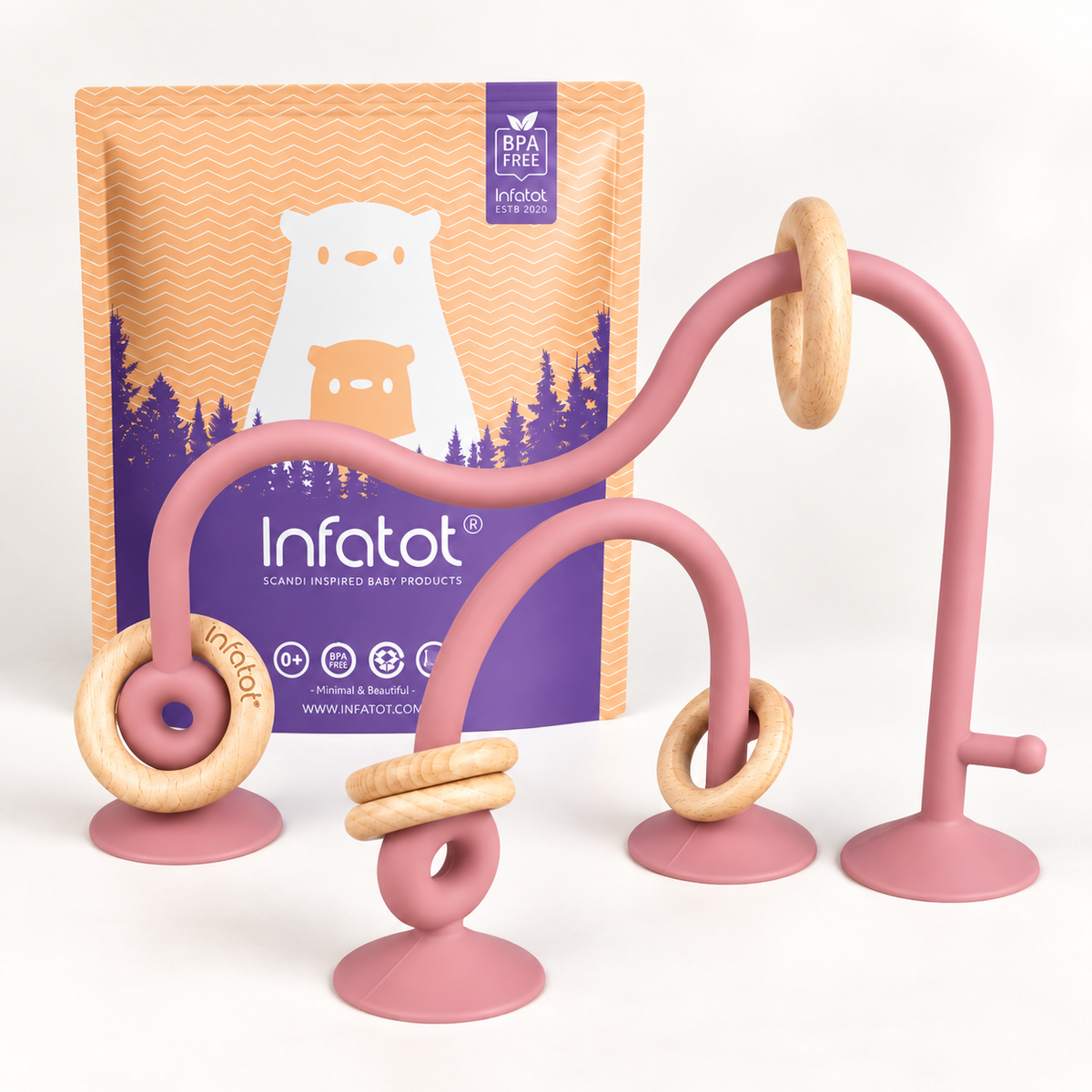
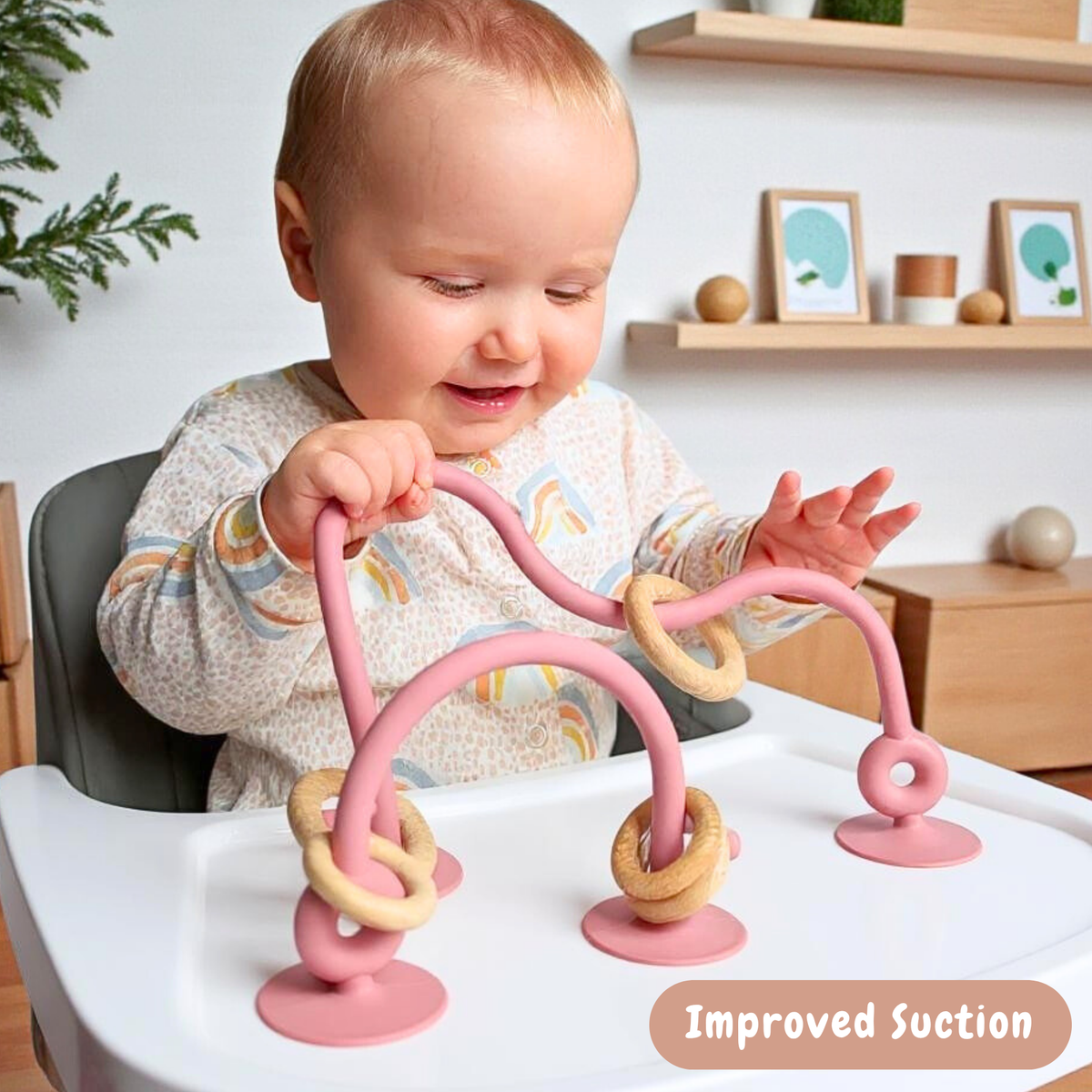
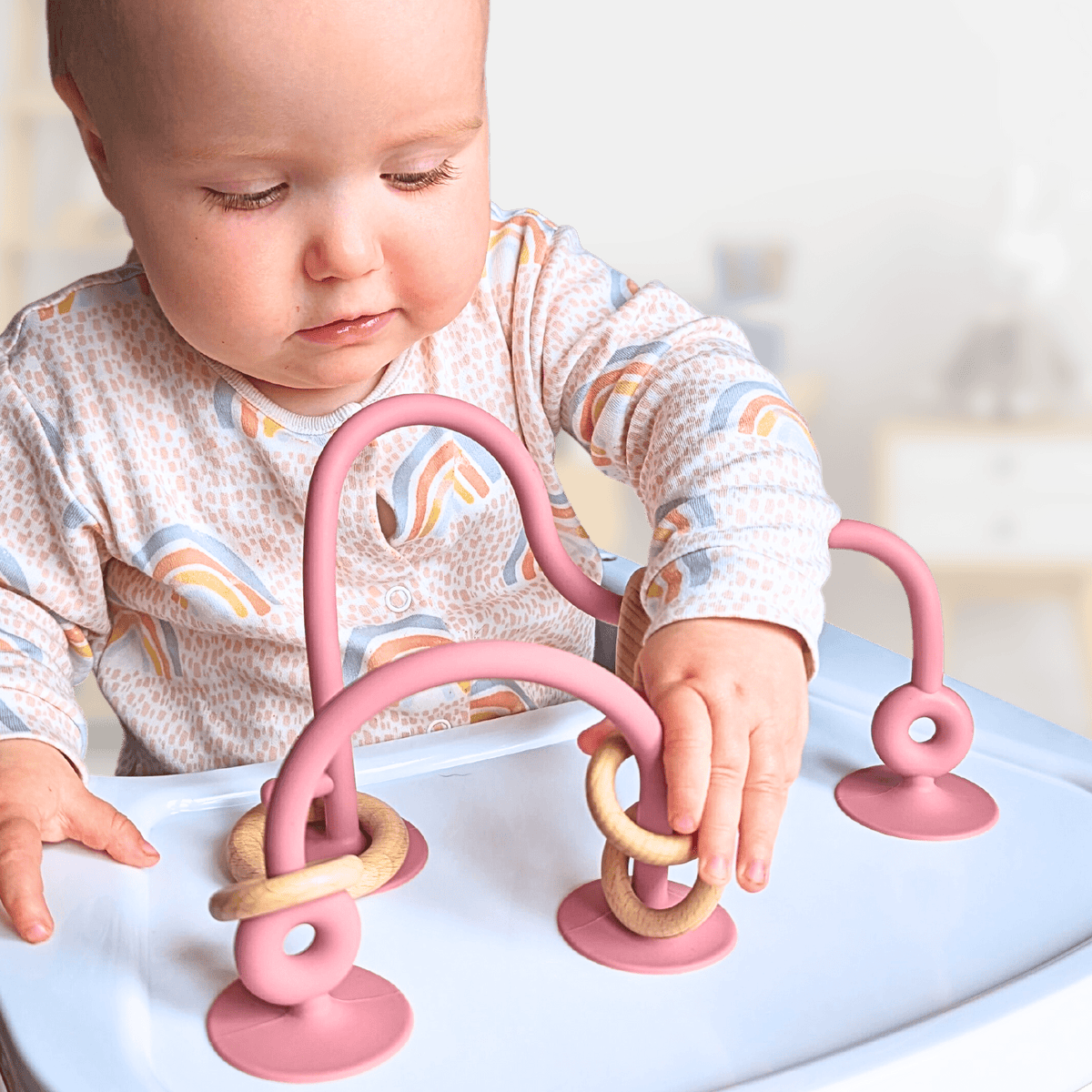
Infatot Suction Toy
Its suction feet press onto a highchair tray or table, so your baby can reach for it and slide the wooden rings along its silicone arms while you sit close by.
The NHS advises keeping babies active throughout the day, every day, in a variety of ways. That includes at least 30 minutes of tummy time spread across the day while they're awake. Toys placed within reach during tummy time turn it into reaching practice as well.
Children under 5 shouldn't be inactive for long periods, except when they're asleep, and being strapped into a buggy for long periods isn't good for their development. Try not to keep your baby in a seat or buggy for long stretches. Regular floor play keeps them active.
The NHS also says your baby's favourite playmate is you. Talking about what they're holding and singing while they bang and shake gives them language practice at the same time.
That's very common. The NHS suggests lying your baby on your chest or lap (only when you're wide awake and unlikely to fall asleep), putting toys within easy reach, talking or singing to them, or propping them up slightly with a small rolled-up towel under their arms. A short session every day builds up their tolerance gradually.
The NHS advises avoiding screen time for babies and toddlers under 2. If you do use a screen, use it for a shared activity that you do together, not on its own.
General information, not individual medical advice. Speak to your GP, midwife or health visitor about your baby’s needs.
How to play with a 3-month-old when they're awake and alert
Read moreabout How to play with a 3-month-old when they're awake and alert
Why different teether textures matter for your baby's mouth and first foods
Read moreabout Why different teether textures matter for your baby's mouth and first foods
How to keep a baby entertained in the highchair before they can eat
Read moreabout How to keep a baby entertained in the highchair before they can eat

Share:
How many teethers does a baby actually need?
How to play with a 3-month-old when they're awake and alert