
Real advice. Every stage.

The Crib

Practical baby care guides for UK parents. Explore teething, sleep, weaning and developmental milestones, with clear explanations and links to trusted sources to help you through the early years.

Woman experiencing postpartum hair loss after having a baby
  • by Infatot

Postpartum Hair Loss: Why It Happens and When It Stops

Postpartum hair loss starts around 3–6 months after birth, peaks near 4 months and usually resolves by 12 months. What helps and when to see your GP.

Read moreabout Postpartum Hair Loss: Why It Happens and When It Stops

A father holds his baby close while taking the baby's temperature under the arm
  • by Infatot

Teething vs Illness: How to Tell the Difference

Teething gets blamed for everything — but it doesn't cause high fever or serious illness. Here's how to tell the difference between teething symptoms and something that needs medical attention.

Read moreabout Teething vs Illness: How to Tell the Difference

Baby enjoying water and swimming experience
  • by Infatot

Baby Swimming: When Can Babies Go in a Pool and What to Know

Baby swimming is fantastic for bonding and development. Here's everything UK parents need to know: when to start, water safety, what to bring, and how to find lessons near you.

Read moreabout Baby Swimming: When Can Babies Go in a Pool and What to Know

A smiling mother leans in to check her baby in an infant car seat
  • by Infatot

Baby Car Seat Safety: What Every UK Parent Needs to Know

UK car seat law, seat types, why rear-facing is safer, how to choose a seat and the fitting mistakes parents make most often.

Read moreabout Baby Car Seat Safety: What Every UK Parent Needs to Know

Parent gently brushing baby's hair — cradle cap treatment and care
  • by Infatot

Cradle Cap: What It Is, Why It Happens and How to Treat It

Cradle cap is one of the most common newborn skin conditions. It looks alarming but is harmless. Here's what causes it, how to treat it gently, and when to see a doctor.

Read moreabout Cradle Cap: What It Is, Why It Happens and How to Treat It

Newborn breastfeeding — tongue tie signs, diagnosis and treatment
  • by Infatot

Tongue Tie in Babies: Signs, Diagnosis and Treatment
Tongue tie affects around 4–11% of newborns in the UK and is a common cause of breastfeeding difficulties. How to recognise it, how it's diagnosed, and what treatment involves.

Read moreabout Tongue Tie in Babies: Signs, Diagnosis and Treatment

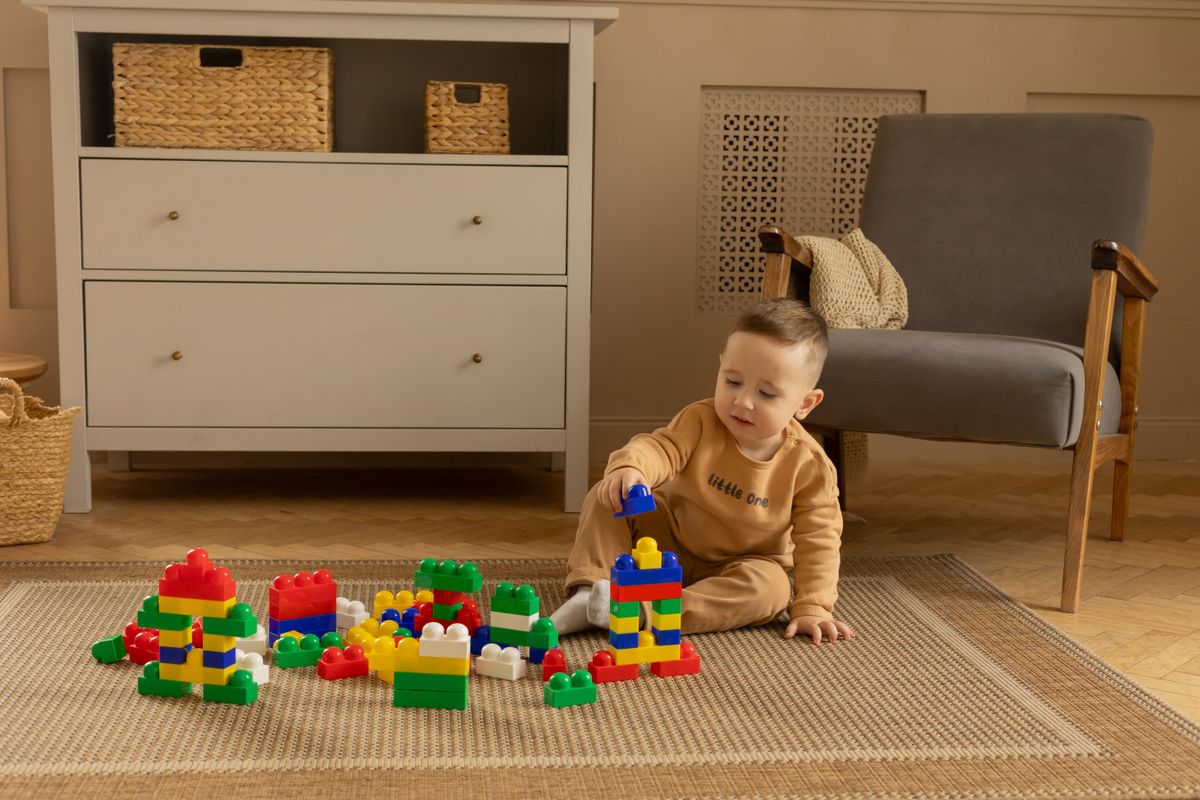
Baby sitting on a nursery rug playing with colourful building bricks
  • by Infatot

Signs of Developmental Delay in Babies: What to Look For

Developmental delay in babies can be difficult to identify, but early intervention makes a real difference. What to look for, age by age, and when to seek help.

Read moreabout Signs of Developmental Delay in Babies: What to Look For

A smiling baby stands safely inside a playpen, holding on to the padded rail
  • by Infatot

How to Baby-Proof Your Home: A Room-by-Room Safety Guide

Once your baby starts moving, your home needs to move with them. Here's a practical room-by-room guide to baby-proofing before they're on the move.

Read moreabout How to Baby-Proof Your Home: A Room-by-Room Safety Guide

Parent winding a baby over the shoulder — gas and wind relief tips
  • by Infatot

How to Help a Gassy Baby: Wind Relief Tips for UK Parents

Simple wind relief for a gassy baby: winding positions, tummy massage, bicycle legs, feeding tweaks and when to see your GP.

Read moreabout How to Help a Gassy Baby: Wind Relief Tips for UK Parents

Koda Koala Bitey teethers in six colours arranged on a blanket beside a teddy bear
  • by Infatot

Are Silicone Teethers Safe for Babies?

A practical guide to choosing, using and cleaning a baby teether: age guidance, checks before use, supervision and following your item's own instructions.

Read moreabout Are Silicone Teethers Safe for Babies?

A smiling baby lies on a play mat under a wooden baby gym
  • by Infatot

Best Baby Teethers UK (2026): A Parent's Buying Guide

Which baby teether is best in the UK? Compare silicone and wood teethers by age, safety and use, with honest picks for newborns, 6-month-olds and on-the-go.

Read moreabout Best Baby Teethers UK (2026): A Parent's Buying Guide

Mother doing skin-to-skin contact with newborn baby after birth
  • by Infatot

Pregnancy Week 40: Your Due Date — What Happens Next

Week 40: your baby's size, membrane sweeps, when induction is discussed, signs labour has begun and what happens in the first hours after birth.

Read moreabout Pregnancy Week 40: Your Due Date — What Happens Next

Newborn baby in hospital shortly after birth being held by mother
  • by Infatot

Pregnancy Week 39: Almost There — Overdue Options and Your Baby Ready to Be Born

Week 39 of pregnancy: your baby's size and readiness, membrane sweeps, induction options after 41 weeks, and choosing to wait for labour.

Read moreabout Pregnancy Week 39: Almost There — Overdue Options and Your Baby Ready to Be Born

Pregnant woman at a late prenatal care appointment with healthcare provider
  • by Infatot

Pregnancy Week 38: The Final Countdown — Your Body Preparing for Labour

Week 38 of pregnancy: your baby's size and development, cervical ripening, early labour signs, your midwife appointment and self-care.

Read moreabout Pregnancy Week 38: The Final Countdown — Your Body Preparing for Labour

Pregnant woman near her due date relaxing at home
  • by Infatot

Pregnancy Week 37: Full Term — What to Expect as Labour Approaches

At 37 weeks you're full term: baby is around 48.6cm and 2.9kg, with signs of labour and when to call your maternity unit.

Read moreabout Pregnancy Week 37: Full Term — What to Expect as Labour Approaches