

- by Infatot
Baby Swimming: When Can Babies Go in a Pool and What to Know
- by Infatot
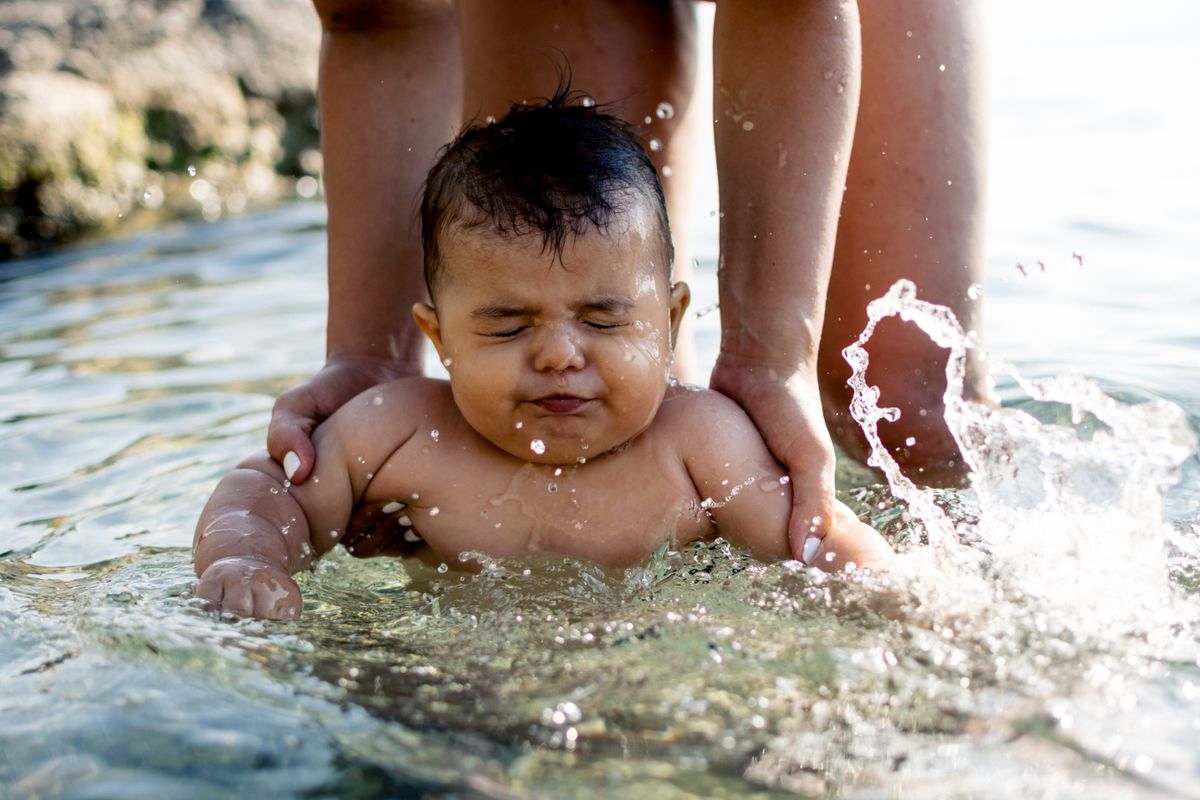
Quick answer: There is no minimum age for taking a baby swimming, provided the pool is heated to at least 32°C for babies under 12 weeks and sessions stay short — no more than 10–15 minutes for very young babies. Vaccinations are no longer a barrier. Never leave your baby unattended in or near water, hold them securely, and use a swim nappy rather than an ordinary one.
Baby swimming is one of the most popular activities for new parents in the UK, and for good reason. Beyond the obvious fun, getting babies used to water from early in life builds confidence, supports physical development, and creates bonding time. Here's everything you need to know to get started.
The previous NHS guidance advised waiting until 6 months before taking a baby to a public pool. This advice has since been updated. The current position is that there's no minimum age for taking a baby swimming, provided:
Most dedicated baby swim schools use warm, shallow hydrotherapy-style pools ideal for young babies. Public leisure centre pools can vary widely in temperature — check before you go.
Popular national programmes in the UK include Water Babies, Puddle Ducks, and SwimBabes. Many local leisure centres also offer parent-and-baby sessions.
Get your baby out and dried quickly — young babies lose heat fast once out of the water. Wrap them in a warm towel, dress them in warm layers, and feed them soon after as swimming can burn energy and stimulate hunger.
For babies under 12 weeks the pool should be heated to at least 32°C. Most dedicated baby swim schools use warm, shallow hydrotherapy-style pools, while leisure centre pools vary widely, so check the temperature before you go.
No. Vaccinations are no longer a barrier to swimming and don't affect your baby's eligibility to go in a pool.
No. Ordinary nappies absorb water and become heavy and useless. Reusable or disposable swim nappies are required for all babies still in nappies.
Keep sessions short, and get your baby out of the water, dried and wrapped in a dry towel as soon as they seem to be getting cold. Call 999 or go to A&E if you think your baby has hypothermia. Signs include shivering, pale, cold skin, blue or grey lips or skin, being floppy, or being unusually quiet and sleepy or refusing to feed.
General information, not individual medical advice. Speak to your GP, midwife or health visitor about your baby’s needs.
Fireworks and babies: protecting sleep and hearing around Bonfire Night
Read moreabout Fireworks and babies: protecting sleep and hearing around Bonfire Night
What should a baby wear to bed when the house gets colder?
Read moreabout What should a baby wear to bed when the house gets colder?
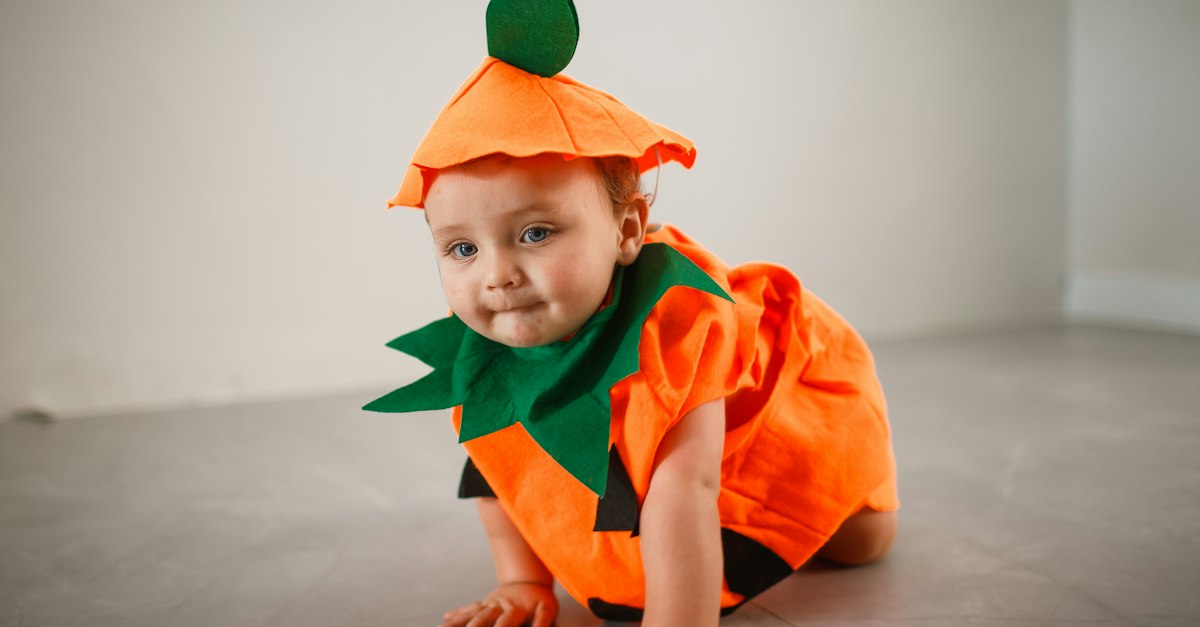
Halloween with a baby or toddler: costumes, face paint and sweets
Read moreabout Halloween with a baby or toddler: costumes, face paint and sweets

Share:
Baby Car Seat Safety: What Every UK Parent Needs to Know
Teething vs Illness: How to Tell the Difference