


- by Infatot
How much should a baby eat at 6 months? Portion sizes for the first weeks of solids
- by Infatot
Quick answer: At around 6 months, a first portion is a few teaspoons of food or a few small pieces of finger food, once a day. Over the next few weeks, slowly offer more food and more kinds of food. Let your baby decide how much to eat, and keep breast milk or first infant formula as their main food.
In the first weeks, your baby is learning how to move food around their mouth, chew it and swallow it. Most of what you offer may end up on the bib, the tray or the floor, and NCT notes that eating very little at this stage is normal.
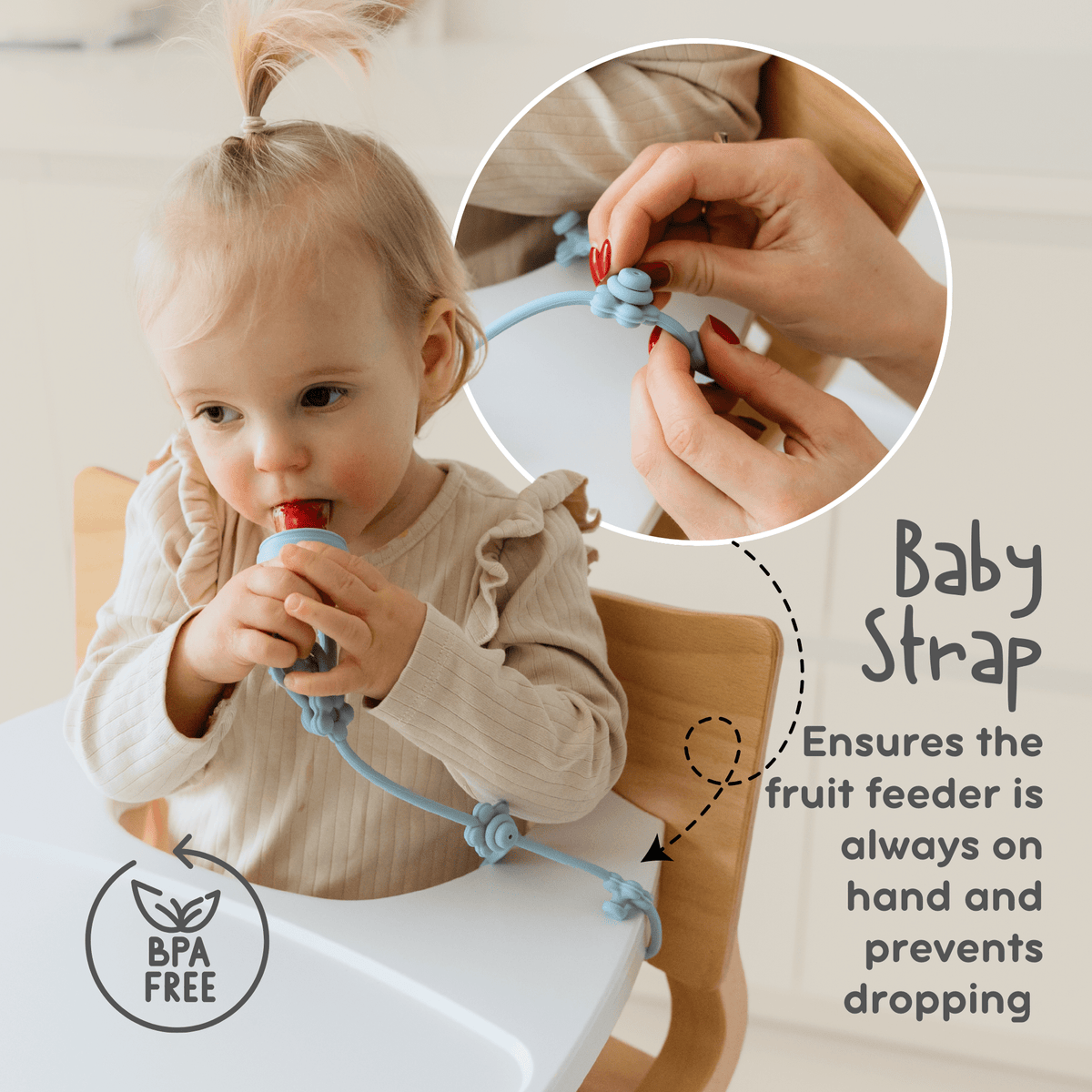
Pick a time of day when neither of you is rushed. Before each meal, make sure your baby is strapped into the highchair and sitting upright so they can swallow properly.
The NHS says that at first your baby only needs a small amount of solid food, once a day, at a time that suits you both. NCT suggests starting with a few pieces or teaspoons of food, once or twice a day, and building up slowly.
If you're spoon feeding, that means a few teaspoons of mashed or blended vegetables or fruit, or unsweetened porridge. If you're doing baby-led weaning, it means a few soft, finger-sized pieces, such as a stick of cooked broccoli. Many families do a bit of both.
Begin with vegetables that aren't sweet, such as broccoli, cauliflower and spinach. Your baby gets used to bitter tastes as well as sweeter ones like carrot and sweet potato, and the NHS says this can help prevent fussy eating later.
When your baby starts solids, most of their energy and nutrients still come from breast milk or first infant formula. Keep offering milk feeds whenever your baby wants them. The NHS points out that a baby's tummy is tiny and fills up quickly, so give milk feeds after solids rather than before.
Babies under 12 months don't need snacks. If your baby seems hungry between meals, the NHS advises offering an extra milk feed instead.

A baby who has had enough will usually close their mouth firmly or turn their head away. The NHS advises responding to these cues the same way you would during a breast or bottle feed. Stop when your baby shows them, and never force them to eat.
How much your baby eats will change from day to day. Some days they'll eat more, some days less, and some days they'll turn everything down. It can take 10 tries or more before a baby gets used to a new food, flavour or texture, so keep offering a food even if it was rejected last time.
Gagging is a normal reflex while your baby learns how much food they can manage in one go. It's loud, and their eyes may water. Choking is quiet. The NHS explains the difference and what to do if your baby is choking. Stay with your baby for the whole meal.
Week by week, the NHS advises slowly increasing both the amount and the variety of food. That includes vegetables, fruit, starchy foods, protein foods such as beans, lentils, eggs, fish and meat, and pasteurised full-fat dairy. Your baby's appetite sets the pace, not a fixed amount.
Texture should change too. Move on from purées to mashed and finger foods as soon as your baby is ready, and keep offering lumpy textures from around 6 to 7 months. This is how babies learn to chew and swallow solid food.
Allergens such as egg, peanut (crushed or ground) and foods containing gluten can be introduced from around 6 months. Offer them one at a time and in very small amounts so you can spot any reaction. There's more on this in Introducing allergens to babies.
When portions are this small, cooking one batch and freezing it in small amounts saves time and wastes less food. The NHS lists ice cube trays as very useful for batch-cooking and freezing small portions. At each meal, take out only what you think your baby will eat. You can always offer more.
Rice has stricter rules than other foods. Cool it within 1 hour, keep it in the fridge for no more than 24 hours and reheat it only once.
Try this. To cool a batch quickly before freezing, put it in an airtight container and run cold water over the outside, stirring so it cools all the way through.
From Infatot
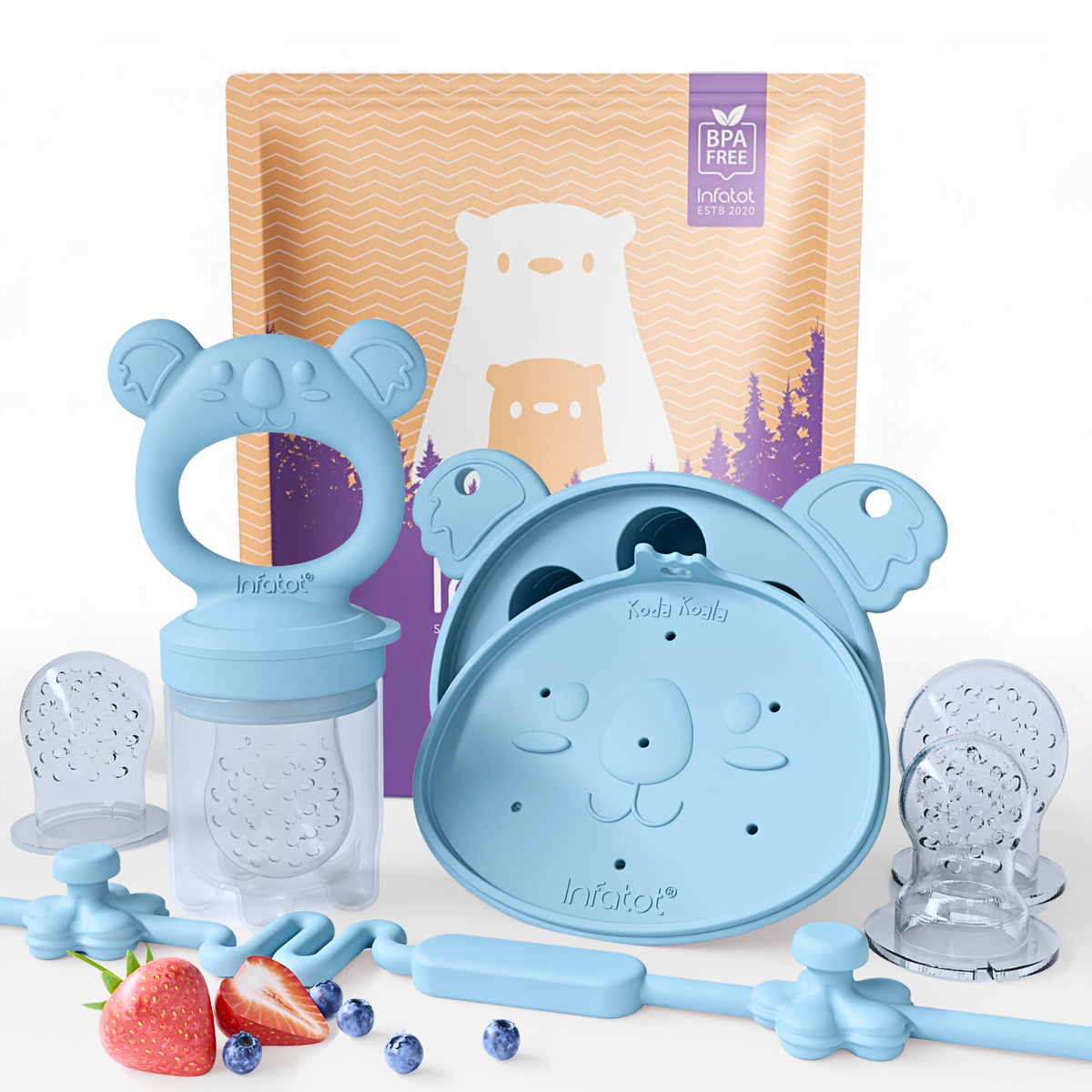
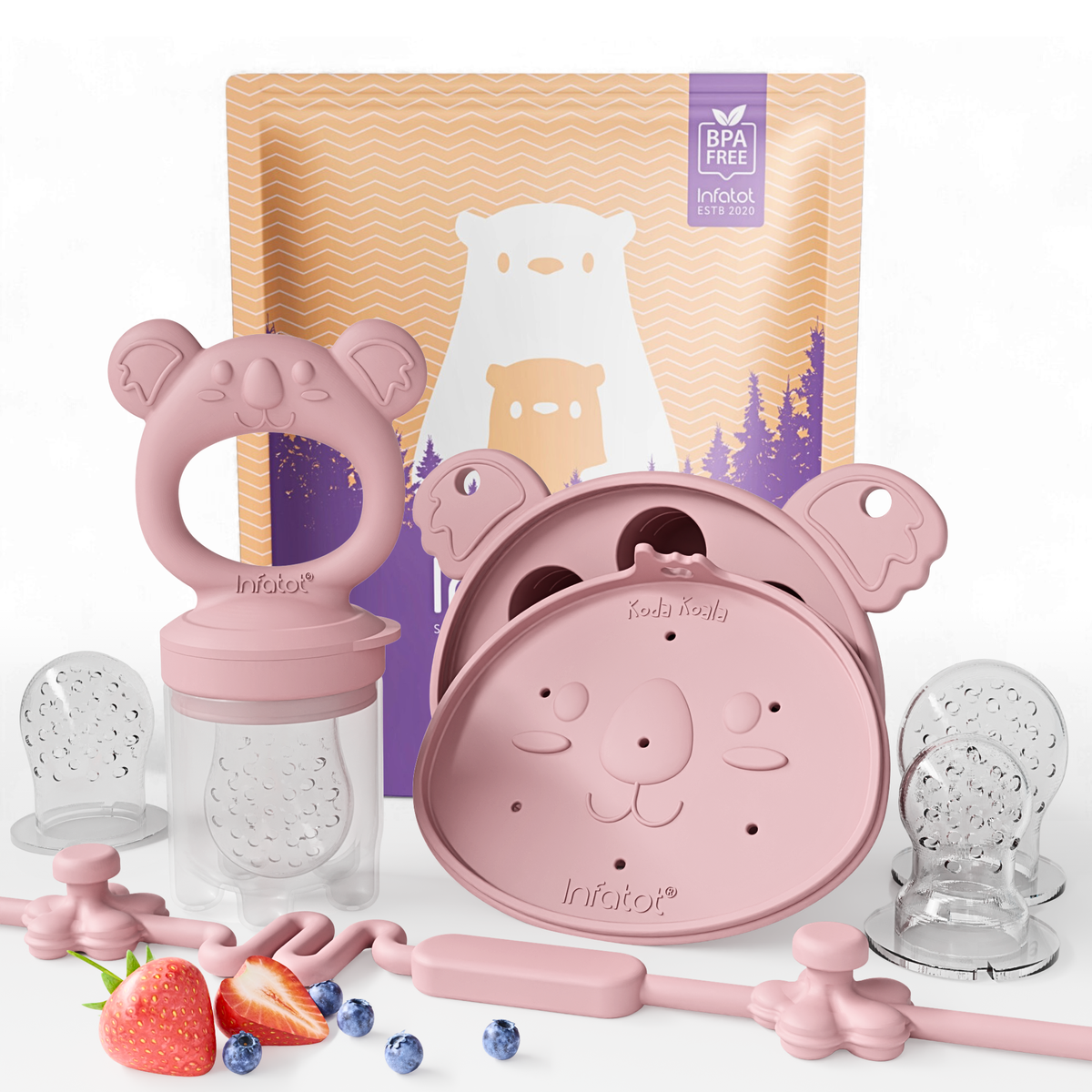
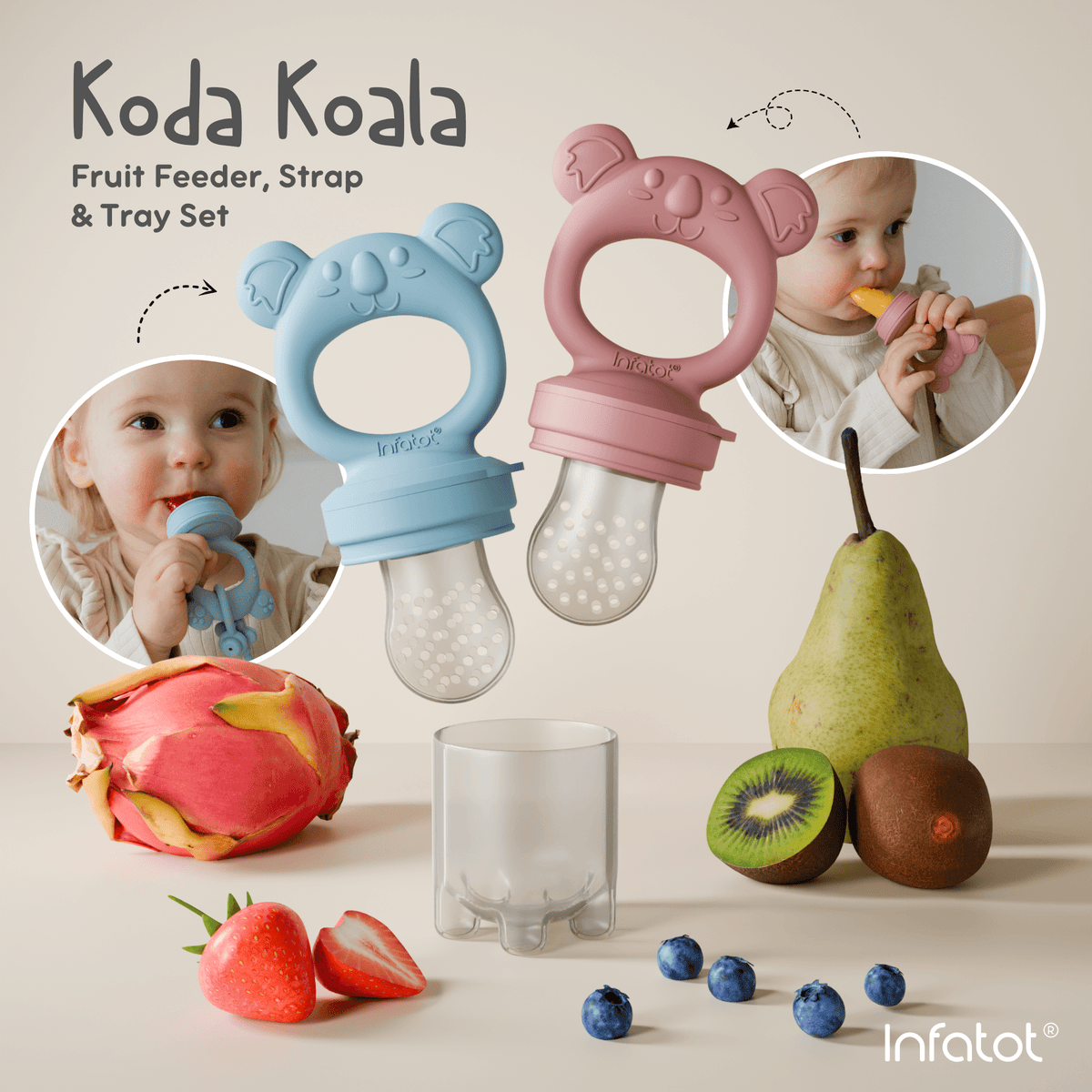
Fruit Feeder & Tray Set
It comes with a freezer tray made for portioning homemade food, so you can freeze a batch in small amounts and defrost only what one meal needs.
No. The NHS says starting solids won't make a baby more likely to sleep through. Waking more at night, chewing fists and wanting extra milk are normal baby behaviours, not signs your baby is ready for food.
The NHS suggests using them only occasionally, not every day. If you use a pouch, squeeze the food onto a spoon rather than letting your baby suck from it, and choose the option with the least sugar.
Ask your health visitor or GP. The NHS advises that parents of premature babies get individual advice on when to start weaning.
Offer sips of water from an open cup or a free-flow cup without a valve. NCT notes that for babies over six months who are eating solids, this water doesn't need to be boiled.
General information, not individual medical advice. Speak to your GP, midwife or health visitor about your baby’s needs.
Gagging or choking when your baby starts solids
Read moreabout Gagging or choking when your baby starts solids
Why different teether textures matter for your baby's mouth and first foods
Read moreabout Why different teether textures matter for your baby's mouth and first foods
Norovirus in babies and toddlers: how to keep them hydrated
Read moreabout Norovirus in babies and toddlers: how to keep them hydrated

Share:
Why different teether textures matter for your baby's mouth and first foods
How many teethers does a baby actually need?