

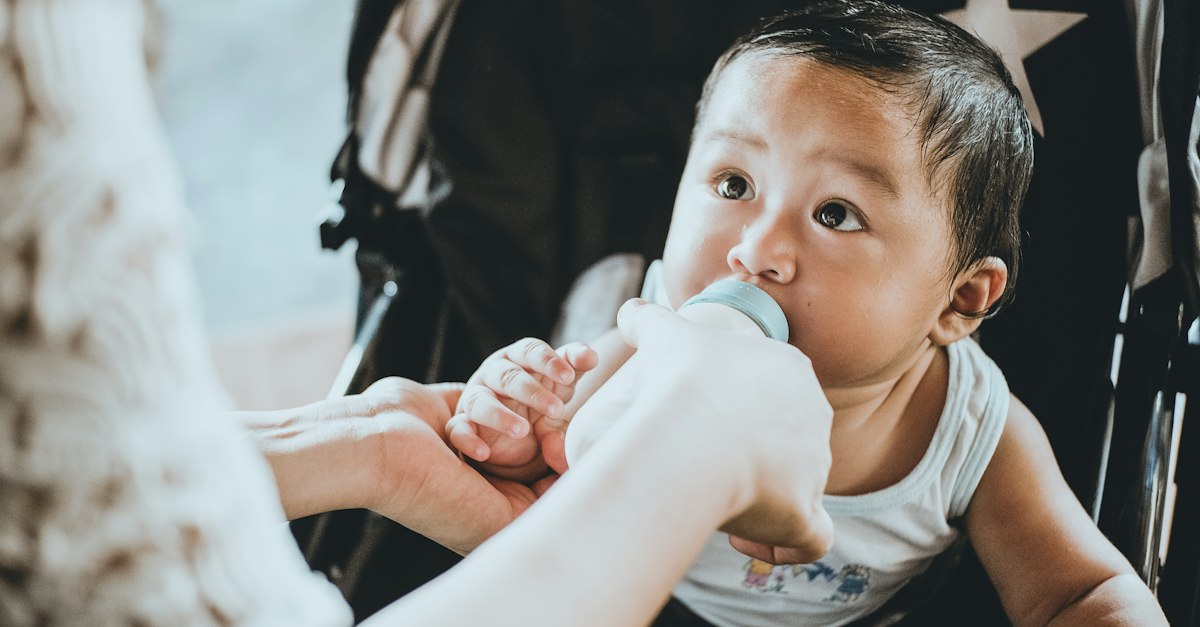
Quick answer: Keep breast or bottle feeding, and if your baby is being sick, offer smaller feeds more often. Babies on formula or solids can also have small sips of water between feeds, boiled and cooled if your baby is under 6 months. Norovirus usually clears in 2 to 3 days. Call 111 if feeding stops or wet nappies drop.
Vomiting from a stomach bug usually stops within 1 or 2 days. Diarrhoea can carry on for 5 to 7 days, so the fluid your baby loses keeps adding up after the sickness has settled. The NHS notes that babies, young children and older adults are more at risk of dehydration, and children under 5 need plenty of fluids.
Norovirus spreads very easily through poo, close contact and contaminated surfaces, and alcohol hand gel doesn't kill it. Wash your hands with soap and water after every nappy change. This protects the rest of the household, and it protects you while you're the one doing the caring.
Fluids matter more than food while your baby or toddler is ill. The NHS advice for norovirus is to keep milk feeds going and, if your baby is being sick, give smaller feeds more often than usual.
Carry on breastfeeding or giving formula as usual. If your baby is being sick, offer smaller feeds more often than you normally would.
Make formula up at its usual strength. The NHS advises against making it weaker. Babies on formula can have small sips of extra water between feeds. If your baby is under 6 months, boil the water first and let it cool.
Offer small sips of water between milk feeds or meals, and keep offering them through the day. If your child has been sick, start with small sips and then gradually give more.
The NHS suggests asking a pharmacist to recommend an oral rehydration solution, given in regular small sips, to replace the salts and sugar lost through sickness and diarrhoea. If your child is under 5 and showing signs of dehydration, call 111 instead of going straight to the pharmacy.
Counting wet nappies is the simplest check. Keep a rough tally on your phone so you can compare it with a normal day and tell 111 exactly what's changed.
The NHS lists these signs of dehydration in babies and young children:
| Sign | What you might notice |
|---|---|
| Fewer wet nappies | Nappies stay dry for longer than usual, or pee is dark and strong-smelling |
| Sunken soft spot | The fontanelle on top of your baby's head dips inwards |
| Sunken eyes | Eyes look sunken or hollow |
| Few or no tears | Your baby cries with little or no tears |
| Dry mouth | Lips, mouth and tongue look or feel dry |
| Drowsy or irritable | Sleepier than usual, harder to settle, or unusually grumpy |
Keep your child home until they've gone 2 full days without being sick or having diarrhoea. This comes from UKHSA guidance for nurseries, childminders and schools, and the NHS gives the same advice. The clock starts again if there's another bout. Swimming pools should wait until at least 48 hours after symptoms stop.
You can cut the spread at home with a few habits.

111 can arrange a call back from a nurse or doctor. If you think something is seriously wrong, get help straight away, even in the middle of the night.
No. It's known as the winter vomiting bug, but the NHS says you can catch it at any time of year. UKHSA publishes its norovirus surveillance reports weekly through the winter and monthly in summer.
Offer their usual food once they feel like eating. The NHS suggests giving small children their usual diet. Fatty or spicy food may be harder to keep down. Fluids come first, so keep offering sips of water and milk feeds. If your baby stops breast or bottle feeding while they're ill, call 111.
General information, not individual medical advice. Speak to your GP, midwife or health visitor about your baby’s needs.
Gagging or choking when your baby starts solids
Read moreabout Gagging or choking when your baby starts solids
How much should a baby eat at 6 months? Portion sizes for the first weeks of solids
Read moreabout How much should a baby eat at 6 months? Portion sizes for the first weeks of solids
Why different teether textures matter for your baby's mouth and first foods
Read moreabout Why different teether textures matter for your baby's mouth and first foods


Share:
Condensation and mould in your baby's bedroom: what to do
Christmas trees, decorations and button batteries: baby-proofing for December