

Quick answer: Saline nose drops can loosen dried snot and ease a blocked nose. For bronchiolitis, which starts like a cold, the NHS advises smaller feeds more often and keeping your baby upright while they're awake. Children under 6 shouldn't have cough and cold medicines or decongestants unless a GP or pharmacist advises it.
Young children catch 5 to 8 colds a year on average. They have no immunity yet to the hundreds of cold viruses around, and the NHS says most colds in younger children clear within 2 weeks.
Symptoms can last longer in babies than in adults. A baby with a cold may be irritable, breathe through their mouth, find feeds hard and sleep badly, and the NHS lists all of these as usual signs of a cold in young children.
Saline drops are salt water. The NHS says they can loosen dried snot and ease a stuffy nose. Ask a pharmacist, GP or health visitor which drops suit your baby's age, and how and when to use them.
For colds in general, the NHS suggests breathing in steam by sitting in the bathroom with a hot shower running. The NHS gives this as general cold advice, not advice written for babies.
The NHS is clear that children shouldn't breathe in steam from a bowl of hot water, because of the risk of scalding.
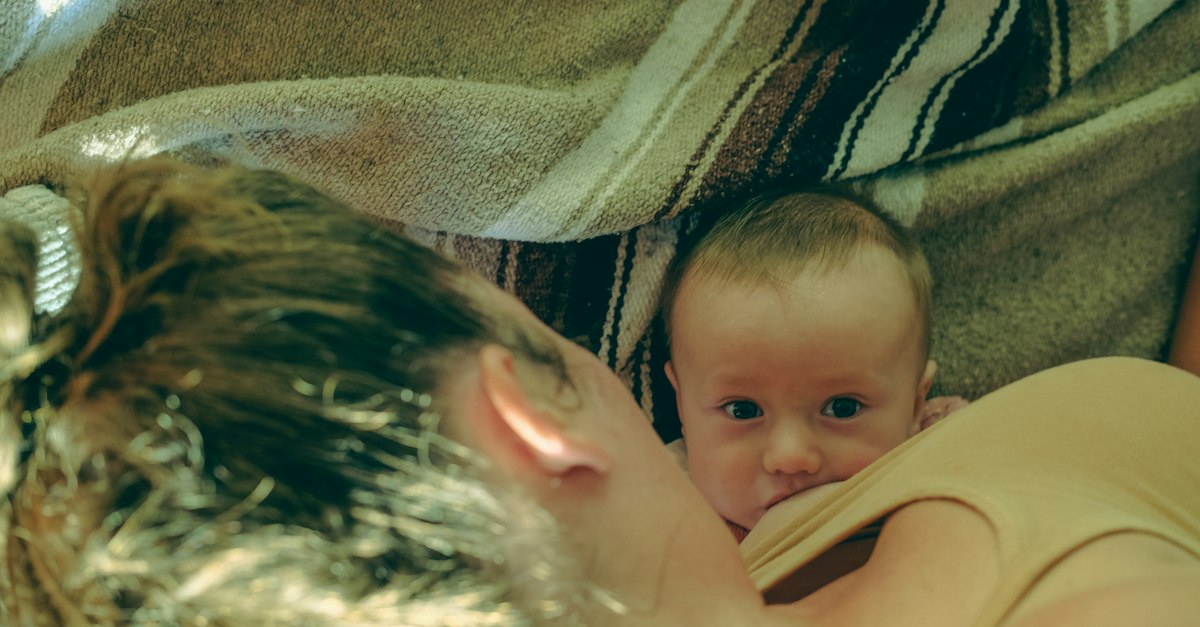
A baby with a cold may find feeding difficult. The NHS gives the first three tips below as home care for bronchiolitis, a chest infection that starts like a cold.
A cold can make it harder for babies to sleep. The NHS advises checking on your child regularly, including overnight, so you notice any change in their breathing or temperature.
If your baby is distressed or uncomfortable, children's paracetamol can be given from 2 months and ibuprofen from 3 months. Give one at a time, not both together, and follow the dose on the packet. Children with asthma may not be able to take ibuprofen, so check with a pharmacist first.
Keep your baby away from cigarette smoke. The NHS says children who breathe in smoke have a higher risk of severe bronchiolitis.
The medicines regulator, the MHRA, reviewed over-the-counter cough and cold medicines and found no robust evidence that they work in young children. It concluded that for under-6s the risks outweigh the benefits. This covers decongestant drops and sprays as well as cough syrups.
| Product | Age | Notes |
|---|---|---|
| Saline nose drops | Babies and children | Ask a pharmacist, GP or health visitor first |
| Paracetamol | From 2 months | Only if distressed or uncomfortable |
| Ibuprofen | From 3 months | Check first if your child has asthma |
| Decongestants, cough and cold remedies | Not under 6 | Only if a GP or pharmacist advises |
| Aspirin | Not under 16 | Never give to children |
| Honey | Not under 12 months | Warm, not hot, drinks only |
Bronchiolitis is a common chest infection in children under 2. It starts like a cold, with sneezing, a blocked or runny nose and a slightly raised temperature. A cough, faster breathing, wheezing or crackling sounds and difficulty feeding can follow. The NHS says symptoms are usually worst between days 3 and 5, and the cough usually clears within 3 weeks.
Most cases are mild and can be looked after at home. Babies under 6 months, babies born prematurely and children with heart or lung conditions or a weakened immune system are more likely to become seriously ill.
Ask for an urgent GP appointment or call 111 if:
Yes, ear infections often follow a cold. Your baby may pull or rub an ear, cry more, feed poorly or be restless at night. Most clear within about 3 days. See a GP if earache isn't improving after 3 days, and don't put oil, drops or cotton buds in their ear unless a GP advises it.
No. Colds are caused by viruses and antibiotics only work on bacteria, so GPs don't prescribe them for colds.
Wash your hands and your older child's hands often, wipe down toys and surfaces, and bin tissues straight after use. Keep newborns away from anyone with a cold or flu where you can, especially if they were born prematurely.
General information, not individual medical advice. Speak to your GP, midwife or health visitor about your baby’s needs.
Vitamin D drops for babies: who needs them from October
Read moreabout Vitamin D drops for babies: who needs them from October
Breastfeeding Tips for New Mums: A Practical UK Guide
Read moreabout Breastfeeding Tips for New Mums: A Practical UK Guide
Baby Reflux and Silent Reflux: Signs, Causes and How to Help
Read moreabout Baby Reflux and Silent Reflux: Signs, Causes and How to Help


Share:
Fireworks and babies: protecting sleep and hearing around Bonfire Night