

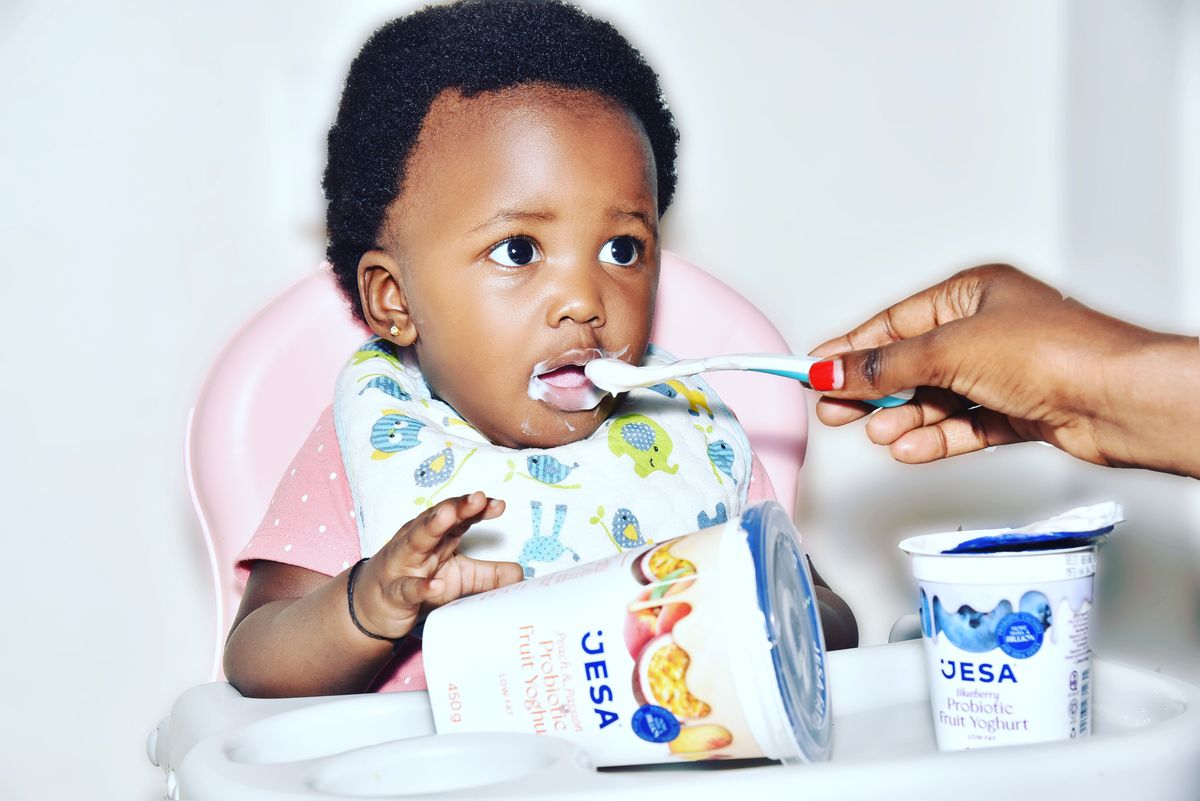
- by Infatot
Best Foods for Babies Aged 6 to 12 Months: What to Feed and When
- by Infatot
Quick answer: Start solids at around 6 months, never before 4 months (17 weeks). Begin with soft cooked vegetables, ripe fruit, soft grains and mashed lentils, moving from purees to mashed food at 7–8 months and chopped family foods by 9–12 months. Include iron-rich foods, and avoid honey, salt, added sugar, whole nuts and cow's milk as a main drink under 12 months.
Starting solid foods is one of the most exciting, and daunting, milestones of the first year. When should you start? What should you give first? What do you need to avoid? This guide gives you the answers, in line with current NHS guidance.
| Start age | Around 6 months, never before 4 months (17 weeks) |
|---|---|
| 6 months texture | Smooth purees, or soft finger foods if baby-led weaning |
| 7–8 months texture | Mashed or minced food with soft lumps |
| 9–12 months texture | Chopped family foods and soft finger foods |
| Oily fish | 1–2 portions a week |
The NHS recommends starting solid foods at around 6 months — not before 4 months (17 weeks). Most babies show signs of readiness at around 6 months, including:
Waking in the night more, chewing fists, or seeming unsatisfied after milk feeds are not reliable signs of readiness and don't mean your baby is ready for solids early.
The best first foods are soft, easy to manage, and nutritious. Good starting options include:
There's no set order you need to follow. Start with vegetables, fruit, or both, whatever feels right to you.
As your baby gets more confident, you can gradually increase texture:
From 6 months, some nutrients become especially important:
Continue breast milk or formula as your baby's main drink throughout the first year. Water can be offered alongside meals from 6 months. Avoid fruit juices, squash, and sugary drinks.
Current NHS and NICE guidance recommends introducing common allergens early (from around 6 months, not after 12 months). This includes peanuts, eggs, dairy, wheat, fish, and sesame. Introduce one at a time, in very small amounts, and watch for reactions. If your baby already has a diagnosed food allergy or eczema, or you have a family history of food allergies, eczema, asthma or hay fever, talk to your GP or health visitor first. Call 999 if you think your baby is having a severe allergic reaction (anaphylaxis), for example if their lips, mouth, throat or tongue suddenly swell, they are breathing very fast or struggling to breathe, or they are limp, floppy or not responding like they normally do. See our separate guide on allergen introduction for more detail.
Solids complement milk feeds, not replace them. Your baby still needs breast milk or formula as their main source of nutrition through the first year. As solids increase, milk intake will naturally decrease.
The NHS recommends starting at around 6 months, and never before 4 months (17 weeks). Look for readiness signs: sitting up with minimal support, holding the head steady, coordinating eyes, hands and mouth, and swallowing food rather than spitting it back out.
Avoid honey, whole cow's milk as a main drink, salt, added sugar including fruit juice, whole nuts, raw shellfish, shark, swordfish and marlin, low-fat products, eggs without the red lion mark unless the white and yolk are cooked solid, mould-ripened or unpasteurised cheese, and rice drinks. Cut grapes and other small, round foods into quarters. Nut butter spread onto food such as toast is fine (never on its own), and cow's milk can be used in cooking.
NHS and NICE guidance recommends introducing common allergens early, from around 6 months and not after 12 months. This includes peanuts, eggs, dairy, wheat, fish and sesame. Introduce one at a time, in very small amounts, and watch for reactions. If your baby already has a diagnosed food allergy or eczema, or you have a family history of food allergies, eczema, asthma or hay fever, talk to your GP or health visitor first. If you think your baby is having a severe allergic reaction (anaphylaxis), call 999.
Yes. Solids complement milk feeds rather than replacing them. Breast milk or formula remains your baby's main source of nutrition through the first year, and milk intake naturally decreases as solids increase.
General information, not individual medical advice. Speak to your GP, midwife or health visitor about your baby’s needs.
Blocked nose in babies: how to help them feed and sleep
Read moreabout Blocked nose in babies: how to help them feed and sleep
Vitamin D drops for babies: who needs them from October
Read moreabout Vitamin D drops for babies: who needs them from October
Breastfeeding Tips for New Mums: A Practical UK Guide
Read moreabout Breastfeeding Tips for New Mums: A Practical UK Guide

Share:
White Noise for Babies: Does It Really Help Your Baby Sleep?
When Do Babies Start Crawling? A Month-by-Month Guide for UK Parents