

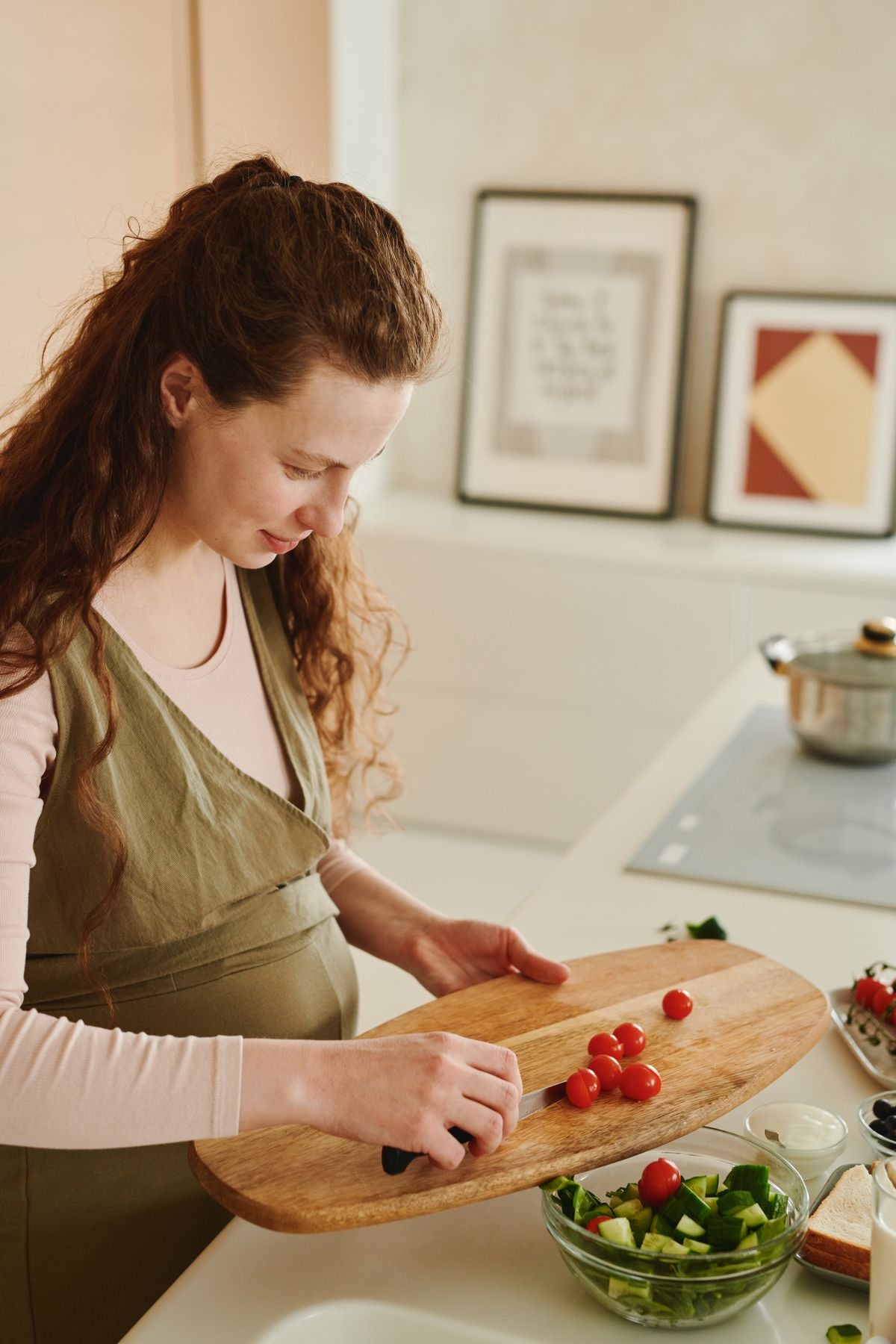
Quick answer: At 14 weeks your baby is about the size of a lemon, roughly 85mm from crown to rump, growing fine downy lanugo and eyebrows, and making facial expressions. Many women feel a second trimester energy boost as nausea eases and the bump becomes more visible. Your next routine antenatal appointment is at around 16 weeks, checking blood pressure, urine and 12-week test results.
What parents need to know
Week 14 brings many women a sense of renewed energy and growing excitement. The bump is becoming more noticeable, and for many mums-to-be this is the week when pregnancy begins to feel more real and visible. Your baby is also reaching some interesting developmental milestones.
| Baby's size | About the size of a lemon |
|---|---|
| Crown to rump | About 85mm |
| Next appointment | Routine antenatal check at around 16 weeks |
| Extra calories | None until third trimester, then extra 200 a day |
| Oily fish | Up to two portions per week |
How big is your baby at 14 weeks?
Your baby is now roughly the size of a lemon — about 85mm from crown to rump. Their growth rate is beginning to accelerate significantly, and from now on they will gain weight more quickly than before.
What's happening with your baby?
One of the notable developments this week is that your baby is beginning to grow a fine, downy layer of hair called lanugo, which covers the entire body. This keeps your baby warm in the womb and will mostly disappear before birth (though some babies are born with traces of it, particularly if they arrive early). Your baby's eyebrows are also growing.
Your baby is increasingly active inside the womb. They can squint, grimace, and make a variety of facial expressions. Their kidneys are producing urine, and this is passed into the amniotic fluid, which your baby then swallows and recirculates. The liver and spleen are working. Your baby's neck is becoming longer, holding the head more upright rather than resting on the chest.
What's happening in your body?
The second trimester energy boost is real for many women. With nausea often easing, you may find you have more appetite and feel more like yourself. This is an ideal time to focus on nutrition, exercise, and making the most of your growing energy before the third trimester brings its own challenges.
Your bump is likely becoming more visible week by week. As the uterus continues to grow, you may feel it above your pubic bone when you press gently on your lower abdomen. Maternity clothes are becoming more appealing, if not necessary — waistbands that feel comfortable now will become increasingly welcome in the coming weeks.
Some women experience a pregnancy "glow" at this stage, thanks to increased blood circulation giving skin a rosier, more radiant appearance. Others deal with skin dryness or stretch marks beginning to form on the abdomen, breasts, or thighs. Moisturising regularly won't prevent stretch marks (which are largely genetic), but it can help with dryness and discomfort.
Nutrition and diet in the second trimester
With your appetite back, this is a good time to focus on a well-balanced diet. The NHS recommends eating from a range of food groups: starchy carbohydrates (wholegrain where possible), protein (meat, fish, eggs, pulses, tofu), dairy or calcium-rich alternatives, and plenty of fruit and vegetables. You don't need to "eat for two" — calorie needs don't increase significantly until the third trimester, when an extra 200 calories per day is recommended.
Iron is particularly important in pregnancy as your blood volume increases. Good sources include red meat, lentils, fortified cereals, leafy green vegetables, and dried fruit. Eating foods rich in vitamin C alongside iron-rich foods helps the body absorb iron more efficiently. If your midwife's blood tests have flagged low iron, they may recommend an iron supplement.
Calcium supports your baby's bone development. Dairy products, fortified plant milks, and green vegetables such as broccoli and kale are excellent sources. Omega-3 fatty acids from oily fish (up to two portions per week) or algae-based supplements support your baby's developing brain and eyes.
Your 16-week midwife appointment
Your next routine antenatal appointment will take place at around 16 weeks. This is a chance to review the results of your 12-week blood tests and screening, check your blood pressure and urine, and discuss how you're feeling. You may also hear your baby's heartbeat for the first time using a handheld Doppler device. Bring any questions or concerns you've been saving up since your booking appointment.
Your week 14 checklist
This week:
- Focus on iron-rich foods and a well-balanced diet.
- Book your 16-week appointment if not already done.
- Start moisturising to keep skin comfortable.
- Consider looking at maternity wear options.
- Continue regular gentle exercise.
- Enjoy feeling more like yourself again.
Sources & further reading
- NHS — You and Your Baby at 14 Weeks Pregnant
- NHS — Have a Healthy Diet in Pregnancy
- Tommy's — Week 14 of Pregnancy
- NCT — Week 14 of Pregnancy
General information, not individual medical advice. Speak to your GP, midwife or health visitor about your baby’s needs.

Share:
Pregnancy Week 13: Welcome to the Second Trimester
Pregnancy Week 15: Staying Active and Your Baby's Senses Developing