

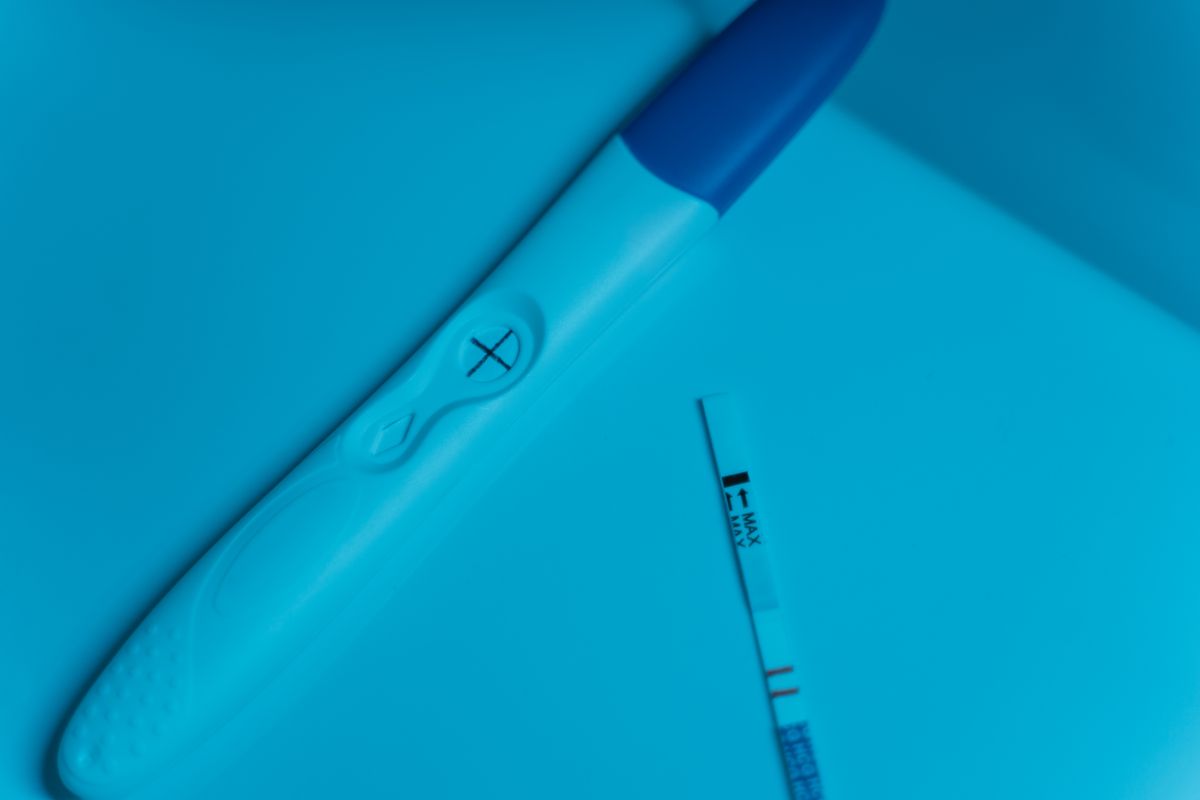
Quick answer: At 7 weeks your baby is about the size of a blueberry, around 10mm crown to rump, and the forebrain, midbrain, hindbrain and brain stem are all forming. Your booking appointment with an NHS midwife usually happens between 8 and 10 weeks, lasts about an hour, and covers your medical history, blood pressure, urine and blood tests, plus a referral for your 12-week dating scan.
What parents need to know
You're at week 7, and your baby is growing at a remarkable rate. While you still have weeks before most people will notice a bump, your body is already undergoing significant changes. This week, many women are also preparing for or attending their first NHS midwife appointment — your booking appointment.
| Baby's size | About a blueberry, roughly 10mm crown to rump |
|---|---|
| Booking appointment | Between 8 and 10 weeks, lasting about an hour |
| Dating scan | Referred at booking, takes place 10 to 14 weeks |
| Telling your employer | Legally required by 15 weeks before your due date |
| Pain relief | Paracetamol is the first choice, for the shortest possible time; ask a pharmacist first; avoid ibuprofen unless prescribed |
How big is your baby at 7 weeks?
Your baby is now roughly the size of a blueberry — about 10mm from crown to rump. Despite this tiny size, development is accelerating rapidly.
What's happening with your baby?
Your baby's brain is developing at an extraordinary pace this week. The forebrain, midbrain, and hindbrain are all forming, and the brain stem — which will control vital functions like breathing and heart rate — is taking shape. Your baby's face is becoming more defined: the areas that will become the eyes are developing pigment, and the nostrils and mouth are forming. Tiny arm and leg buds are now clearly present and are beginning to differentiate into upper and lower segments. The kidneys and intestines are forming too, laying the groundwork for the digestive system.
What's happening in your body?
At 7 weeks, pregnancy symptoms are often in full swing. Morning sickness, breast tenderness, and fatigue are all common. You may notice your waistband is starting to feel slightly snugger, not because of visible bump growth yet, but because your uterus is expanding and your body is retaining fluid. Bloating is common in early pregnancy and can contribute to that feeling of tightness.
Headaches are another symptom that affect some women in the first trimester, caused partly by hormonal changes and partly by increased blood volume. If you suffer from headaches, rest, stay well hydrated, and if you need a painkiller, paracetamol is the first choice in pregnancy. Take it for the shortest possible time, and ask a pharmacist how much to take and for how long (tell them you are pregnant). Avoid ibuprofen and painkillers containing codeine unless your doctor prescribes them. Call your maternity unit, GP or NHS 111 straight away if you have a severe headache, problems with your vision (such as blurring or flashing lights), pain just below your ribs, vomiting, or a sudden increase in swelling of your face, hands, feet or ankles, as these can be signs of pre-eclampsia.
Your booking appointment: what to expect
Your booking appointment is your first formal antenatal appointment with a midwife and usually takes place between 8 and 10 weeks of pregnancy. It tends to last about an hour because there's a lot to cover, so don't worry if it feels lengthy.
What happens at the booking appointment?
Your midwife will take a thorough medical and obstetric history, covering your own health, your partner's health, and any relevant family history. They will check your blood pressure, weigh you, and calculate your BMI. Urine will be tested for protein and signs of infection. Blood tests will be arranged, which screen for blood group and rhesus factor, full blood count (to check iron levels), rubella immunity, syphilis, hepatitis B, and HIV. You may also be offered screening for sickle cell disease and thalassaemia depending on your background.
Your midwife can apply for your maternity exemption certificate for you, and it arrives by email or post. In England, it gives you free NHS prescriptions until 12 months after your due date or your baby's birth. NHS dental treatment in England is also free while you're pregnant and for 12 months after your baby is born. You'll also be given the NHS pregnancy book (The Pregnancy Book), which is packed with useful information.
At this appointment, you'll be referred for your 12-week dating scan (also known as the nuchal translucency scan), which takes place between 10 and 14 weeks.
Should you tell your employer?
You are not legally required to tell your employer you are pregnant until 15 weeks before your due date (which is around week 25). However, many women choose to tell their employer earlier, particularly if their job involves physical labour, exposure to chemicals or radiation, or other risks. In this case, your employer is legally required to carry out a risk assessment and make any necessary adjustments.
You are also entitled to paid time off to attend all antenatal appointments — this is a legal right for employees, but you cannot take time off for antenatal appointments until you have told your employer you're pregnant.
Emotional health in early pregnancy
The first trimester can be an emotionally complex time. Many women feel anxious, particularly if they have had a previous miscarriage or fertility challenges. The period before your dating scan can feel like a long wait. It's important to acknowledge these feelings and seek support if you need it. Your midwife can refer you to a perinatal mental health team if you are struggling with anxiety or low mood.
When to get help
Some symptoms in pregnancy can be a sign of something serious and need checking quickly. This is who to contact, and how soon.
Call 999 if:
- you're bleeding from your vagina and the bleeding is heavy (soaking a period pad soon after putting it on), or you also have severe pain in your tummy, pain in your shoulder, or feel sick, faint, dizzy or lose consciousness
- you have a sharp, sudden and intense pain in your tummy together with feeling very dizzy or fainting, feeling sick or looking very pale, as this could mean an ectopic pregnancy has ruptured (you can also go straight to A&E)
- you have severe difficulty breathing (you're gasping, choking or not able to get words out) or your chest feels tight or heavy
- you have pain and swelling in one leg and you also feel short of breath or have chest pain. A blood clot in the leg can travel to your lungs, which can be life-threatening
- you have possible signs of sepsis, such as breathing very fast, being confused or having slurred speech, blue, pale or blotchy skin, a rash that does not fade when you press it, or a very high or very low temperature. Being pregnant makes sepsis more likely
- you do not feel you can keep yourself safe (a mental health emergency is as serious as a physical one)
Always call 999 if you think it's a life-threatening emergency, no matter what stage of pregnancy you are.
Contact your GP or early pregnancy unit right away if:
- you have light bleeding or spotting, even if you have no pain or only mild tummy pain
- you have vaginal discharge that's unusual for you, or fluid leaking from your vagina
- you have tummy pain low down on one side, or pain in the tip of your shoulder (where your shoulder ends and your arm begins). Symptoms of an ectopic pregnancy usually start between 4 and 12 weeks, so get advice right away, even if you have not had a positive pregnancy test yet
- you have stomach pain that is severe or does not go away after you've rested for 30 to 60 minutes, or stomach pain with regular cramping or tightenings, lower back pain, or pain when you pee
- your breathlessness comes on suddenly, you're out of breath when you're lying down, or you're breathless and also have chest pain or feel dizzy
- you have pain or swelling in one leg, usually in the calf or thigh. This could be a blood clot (deep vein thrombosis, or DVT), which is more likely when you're pregnant
- you have a high temperature (38C or above), or you feel hotter than usual or shivery. A high temperature can be a sign of an infection, so it's important to get it checked
If you cannot reach them, or you're not sure what to do, call NHS 111.
Speak to your GP or midwife if:
- you're worried about your mental health, or stress, anxiety or low mood are affecting your day-to-day life. If you need urgent help for your mental health, call 111 and select the mental health option, or ask for an urgent GP appointment
Your week 7 checklist
This week:
- Ensure your booking appointment is booked for weeks 8–10.
- Prepare a list of questions for your midwife.
- Continue taking folic acid and vitamin D.
- Before taking any medicine, including painkillers for headaches, ask a pharmacist and tell them you are pregnant. Paracetamol is the first choice, not ibuprofen.
- Let your employer know if your work environment requires a risk assessment.
- Reach out for support if anxiety is weighing heavily on you.
Frequently asked questions
When is the booking appointment in pregnancy?
Your booking appointment is your first formal antenatal appointment with a midwife and usually takes place between 8 and 10 weeks of pregnancy. It tends to last about an hour because there is a lot to cover.
Can I take paracetamol at 7 weeks pregnant?
Paracetamol is the first choice of painkiller in pregnancy, but take it for the shortest possible time. Ask a pharmacist how much to take and for how long, and tell them you are pregnant. Rest and drink plenty of fluids too. Avoid ibuprofen and painkillers containing codeine unless your doctor prescribes them.
When do I have to tell my employer I'm pregnant?
You are not legally required to tell your employer until 15 weeks before your due date, around week 25. Tell them earlier if your job involves physical labour, chemicals or radiation, so a risk assessment can be carried out.
What is the Maternity Exemption Certificate?
Your midwife, doctor or health visitor applies for it for you, and it arrives by email or post. In England, it gives you free NHS prescriptions until 12 months after your due date or your baby's birth, and you can use it as proof that you're entitled to free NHS dental treatment.
Sources & further reading
- NHS — You and Your Baby at 7 Weeks Pregnant
- NHS — Antenatal Appointments
- Tommy's — Week 7 of Pregnancy
- NCT — Your Booking Appointment
General information, not individual medical advice. Speak to your GP, midwife or health visitor about your baby’s needs.

Share:
Pregnancy Week 6: Morning Sickness, Fatigue and Your Baby's Face Taking Shape
Pregnancy Week 8: Baby's Major Organs Are Forming