

Quick answer: At 22 weeks your baby is about the size of a coconut, roughly 27.8cm from crown to heel and around 430 grams, while your bump stretches your skin and shifts your posture. Heartburn, back pain and mild swelling are common. Moisturise daily, avoid retinoids, and contact your midwife immediately if swelling is sudden or severe with headaches, visual changes or upper abdominal pain.
What parents need to know
You're at 22 weeks and well settled into the second trimester. Your bump is growing visibly week by week, and your baby is becoming increasingly vigorous in their movements. This week, we look at how to keep comfortable as your body continues to change, and what your baby is up to inside the womb.
| Size comparison | About the size of a coconut |
|---|---|
| Length | Roughly 27.8cm crown to heel |
| Weight | Around 430 grams |
| Trimester | Second trimester |
| Avoid in skin care | Retinoids (vitamin A derivatives) |
How big is your baby at 22 weeks?
Your baby is now about the size of a coconut — roughly 27.8cm from crown to heel and weighing around 430 grams. Every week from now, they'll be putting on more and more weight as fat deposits develop beneath the skin.
What's happening with your baby?
Your baby's face is almost fully formed. Eyes are still sealed shut, but the irises are developing colour — though final eye colour may not be determined until weeks or months after birth. The lips are fully defined, and your baby may be seen sucking their thumb on a scan. Grip is developing, and your baby can grasp the umbilical cord.
Your baby's skin is still thin and somewhat transparent, but it's developing rapidly. Lanugo (fine body hair) still covers most of the body, and vernix (the waxy protective coating) continues to build up. Tiny eyebrows and eyelashes are visible. Your baby's hearing is acute at this stage — they can hear your voice, your heartbeat, digestive sounds, and sounds from the world outside the womb.
Common physical symptoms at week 22
As the bump grows, you may notice an increasing variety of physical discomforts. Heartburn and indigestion are among the most common complaints in the second and third trimesters. The hormone progesterone relaxes the muscular valve between the oesophagus and stomach, allowing stomach acid to rise more easily. Eating small, frequent meals, avoiding spicy or fatty foods, not lying down immediately after eating, and sitting upright can all help. Your GP or midwife can recommend safe antacids if needed.
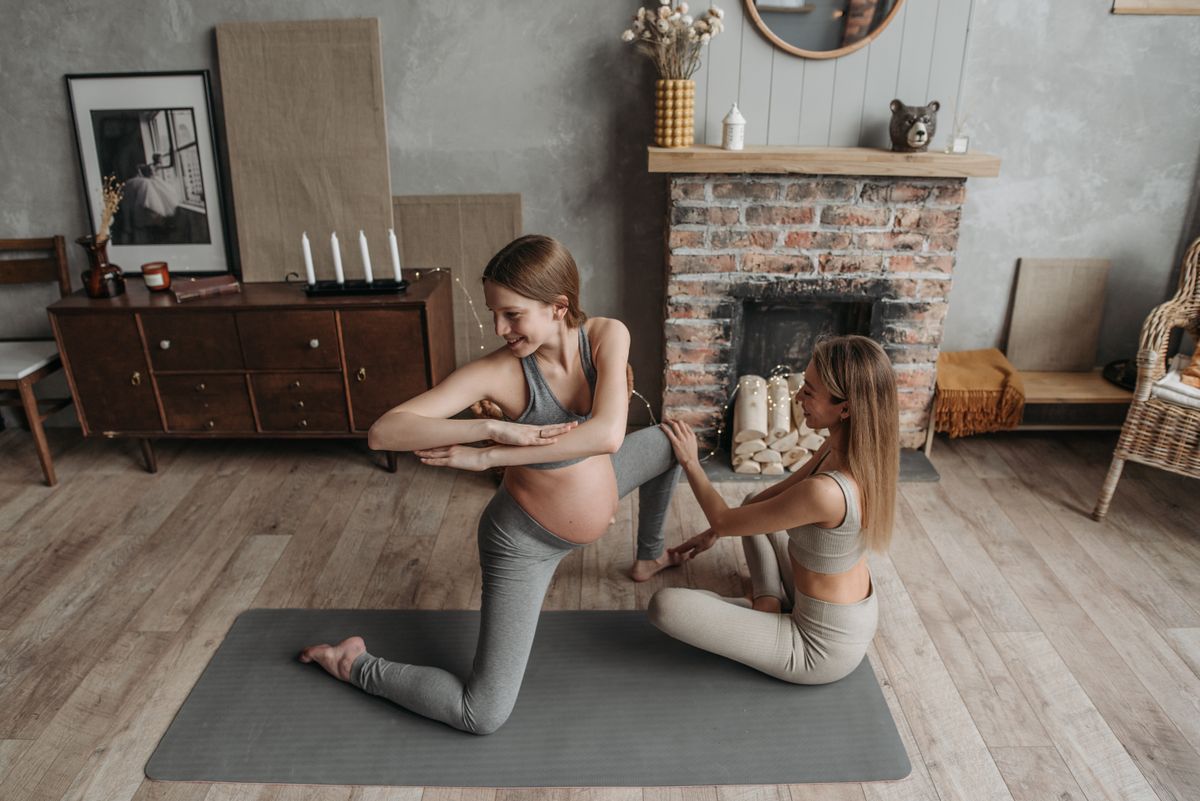
Back pain is another very common complaint as your posture adjusts to accommodate your growing bump. Your centre of gravity shifts forward, which can put additional strain on the lower back. Maintaining good posture, doing regular gentle exercise including swimming and pregnancy yoga, and using a supportive chair can all help. If back pain is severe or radiates down your legs, speak to your midwife about a physiotherapy referral.
Swelling of the feet, ankles, and hands — known as oedema — can begin in the second trimester as your body retains more fluid. Mild swelling is normal. Elevating your feet when resting, wearing comfortable shoes, and staying hydrated can help. However, if swelling is sudden, severe, or accompanied by headaches, visual changes, or upper abdominal pain, contact your midwife immediately as these can be signs of pre-eclampsia.
Skin care during pregnancy
Your skin is stretching significantly as your bump grows, and this can cause dryness, itching, and visible stretch marks. While you cannot prevent stretch marks genetically, regular moisturising with a rich cream, oil, or butter can soothe dryness and itching. Avoid products containing retinoids (vitamin A derivatives), which should not be used in pregnancy. If itching is severe and persistent — particularly on your hands and feet — mention it to your midwife, as this can occasionally be a sign of obstetric cholestasis, a liver condition that requires monitoring.
Your week 22 checklist
This week:
- Manage heartburn with small meals and safe antacids.
- Support your back with good posture and gentle exercise.
- Moisturise daily to ease skin stretching.
- Monitor for signs of pre-eclampsia (sudden swelling, headaches, visual disturbances).
- Continue enjoying regular movements from your baby.
Sources & further reading
- NHS — You and Your Baby at 22 Weeks Pregnant
- NHS — Heartburn and Indigestion in Pregnancy
- Tommy's — Week 22 of Pregnancy
- NCT — Week 22 of Pregnancy
General information, not individual medical advice. Speak to your GP, midwife or health visitor about your baby’s needs.
Share:
Pregnancy Week 21: Your Baby's Moves and Your Midwife Appointments
Pregnancy Week 23: Swimming, Exercise and Your Baby's Viability