


Quick answer: At 19 weeks you are preparing for the 20-week anomaly scan, offered to all pregnant women in England between 18 weeks and 21 weeks and 1 day. This detailed ultrasound takes around 30 minutes and checks your baby's brain, heart, spine, face, kidneys, abdomen and limbs, plus growth and placenta position. Your baby is about 15.3cm crown to rump, and vernix is forming on the skin.
What parents need to know
Week 19 is an exciting one — your 20-week anomaly scan is just around the corner, and your baby continues to grow rapidly. This important scan is one of the most anticipated milestones of pregnancy, giving you the chance to see your baby in wonderful detail and check that all is developing as it should be.
| Baby's size | About 15.3cm crown to rump, roughly a mango |
|---|---|
| Anomaly scan window | 18 weeks to 21 weeks and 1 day (England) |
| Scan length | Around 30 minutes |
| Uterus position | Now reaches your navel |
How big is your baby at 19 weeks?
Your baby is now roughly the size of a mango — about 15.3cm from crown to rump. Your baby is also putting on weight and the body is becoming more proportionate.
What's happening with your baby?
This week, a waxy, cheese-like coating called vernix caseosa is beginning to develop over your baby's skin. This protective coating shields the skin from the amniotic fluid and will be present at birth (though first babies often have more of it than subsequent ones). Your baby's brain is developing at a phenomenal rate, with millions of nerve cells forming. The five senses — sight, hearing, smell, taste, and touch — are all developing. Your baby can already hear your voice, and familiar voices may be particularly soothing to them after birth.
Your baby may be developing a sleep pattern too, with periods of activity and rest that you might already be noticing. Many babies become most active in the evenings when their mother is resting.
What's happening in your body?
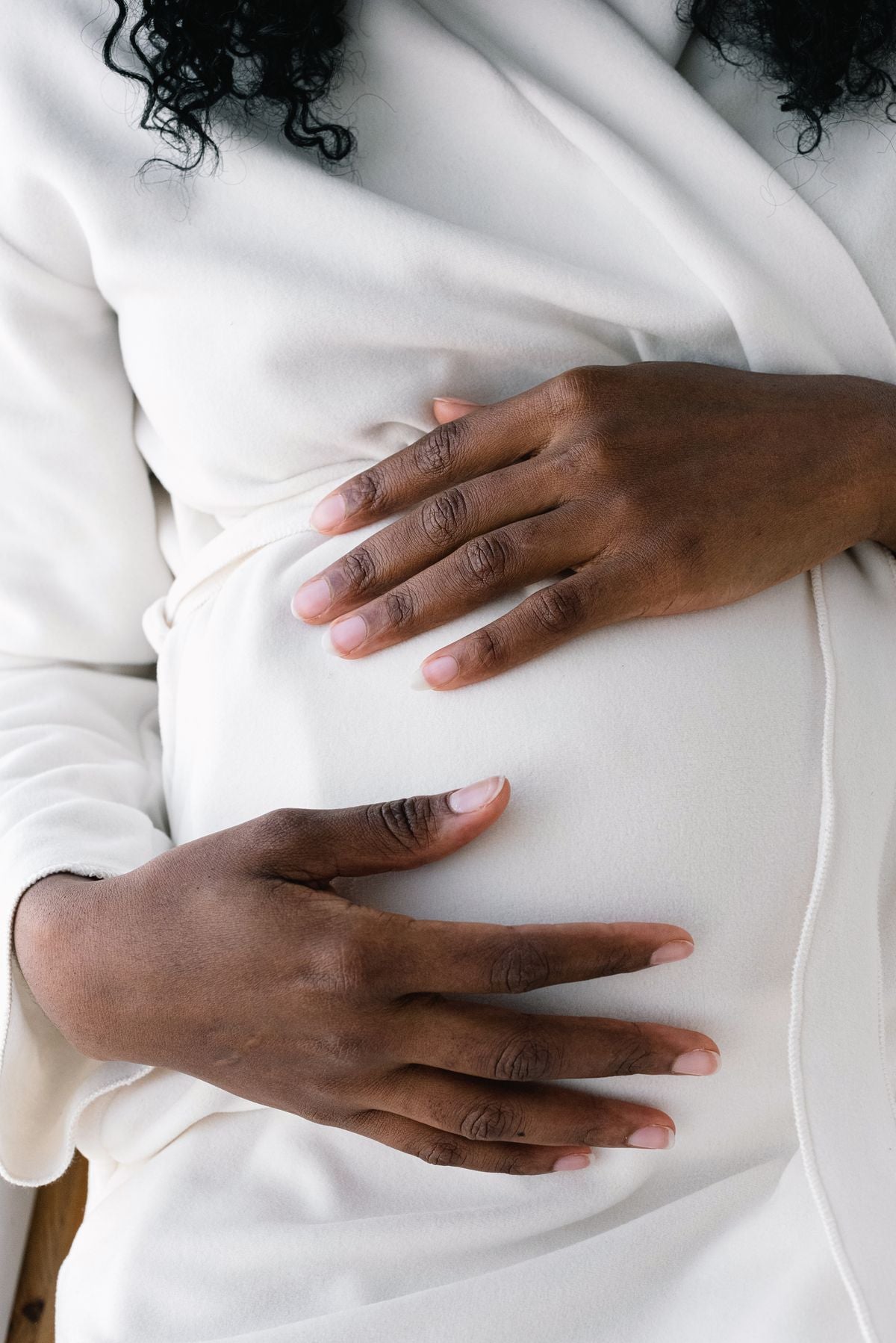
Your uterus now reaches your navel (belly button), and your bump is unmistakably visible. You may notice your belly button beginning to flatten or pop out as your uterus expands — this is entirely normal and returns to its usual position after birth.
Skin changes may continue: stretch marks on the abdomen, breasts, or thighs are common from the second trimester onwards as the skin stretches rapidly. While moisturiser and oils cannot prevent stretch marks (which are caused by changes to the collagen structure beneath the skin), they can help with dryness and may reduce discomfort. Stretch marks fade significantly in the months after birth.
What is the 20-week anomaly scan?
The anomaly scan, offered to all pregnant women in England between 18 weeks and 21 weeks and 1 day, is a detailed ultrasound examination of your baby. It is sometimes called the structural scan or mid-pregnancy scan. It checks your baby's development in detail, looking at the brain, heart, spine, face, kidneys, abdomen, and limbs. The sonographer measures your baby's head, abdomen, and thigh bone (femur) to check growth. The placenta's position is also checked — if it is low-lying (placenta praevia), you may be offered an additional scan later in pregnancy.
The anomaly scan is not the same as a screening test for chromosomal conditions — it looks for physical differences in your baby's anatomy. If something is found that requires further investigation, you will be referred to a specialist or offered additional tests. The scan usually takes around 30 minutes.
Finding out your baby's sex
Some NHS trusts offer to tell you your baby's sex at the 20-week scan, while others do not due to the difficulty of determining this reliably in all positions. If finding out is important to you, check with your hospital beforehand. You can also choose not to find out and keep it a surprise. There is no right or wrong approach — it is entirely personal.
Your week 19 checklist
This week:
- Confirm your 20-week anomaly scan appointment.
- Discuss with your partner whether you want to find out your baby's sex.
- Moisturise your skin daily for comfort.
- Continue exercising gently.
- Note any questions you want to ask the sonographer.
Sources & further reading
- NHS — You and Your Baby at 19 Weeks Pregnant
- NHS — Your 20-Week Pregnancy Scan
- Tommy's — Week 19 of Pregnancy
- NCT — Week 19 of Pregnancy
General information, not individual medical advice. Speak to your GP, midwife or health visitor about your baby’s needs.


Share:
Pregnancy Week 18: Sleep, Comfort and Your Growing Bump
Can Babies Get Hay Fever? Symptoms UK Parents May Notice in Pollen Season